National Security Alert: Emerging Cyber Threats Targeting US Healthcare Systems – 3 Immediate Steps to Protect Your Data in 2026
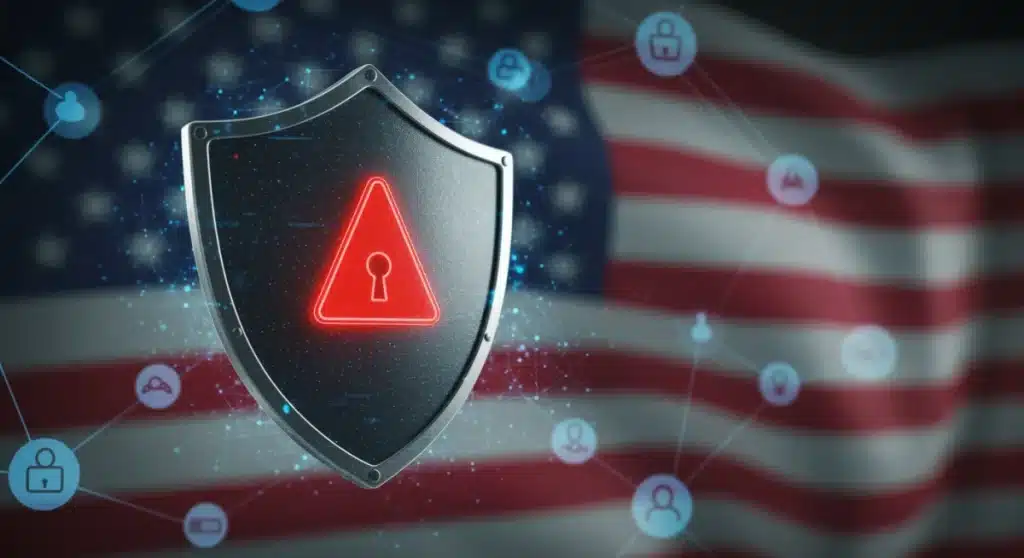
Latest developments on National Security Alert: Emerging Cyber Threats Targeting US Healthcare Systems – 3 Immediate Steps to Protect Your Data in 2026, with key facts, verified sources and what readers need to monitor next in Estados Unidos, presented clearly in Inglês (Estados Unidos) (en-US).
A critical National Security Alert: Emerging Cyber Threats Targeting US Healthcare Systems – 3 Immediate Steps to Protect Your Data in 2026 is shaping today’s agenda with new details released by government officials and industry experts. This urgent update prioritizes what has changed, why it matters, and what healthcare organizations must do now to safeguard sensitive patient information against escalating digital warfare. The landscape of cyber threats has evolved significantly, demanding immediate and decisive action from all stakeholders within the US healthcare sector.
Escalating Cyber Warfare: A Direct Threat to US Healthcare
The United States healthcare sector faces an unprecedented surge in sophisticated cyberattacks, posing a direct threat to patient care, data integrity, and national security. Recent intelligence reports indicate a marked increase in state-sponsored actors and organized cybercriminal groups targeting critical healthcare infrastructure.
These emerging threats leverage advanced persistent threats (APTs), ransomware-as-a-service models, and supply chain vulnerabilities, making traditional defenses increasingly insufficient. The urgency for robust, proactive measures against this digital onslaught cannot be overstated, as the integrity of patient data and continuity of care hang in the balance.
The Department of Homeland Security (DHS) and the Cybersecurity and Infrastructure Security Agency (CISA) have issued joint advisories, emphasizing the need for immediate action across all healthcare organizations. Their alerts highlight specific attack vectors and recommend strategic shifts in cybersecurity posture to mitigate risks effectively.
Recent data from the Health Sector Cybersecurity Coordination Center (HC3) reveals that ransomware incidents alone increased by over 200% in the past year, directly impacting patient access to care and costing billions in recovery efforts. This alarming trend underscores the severe impact of these attacks on operational capabilities.
The evolving nature of these threats requires a dynamic response, moving beyond reactive incident management to predictive threat intelligence and resilient system designs. Protecting sensitive patient data is not merely a compliance issue but a matter of national health security.
Understanding the New Threat Landscape in 2026
The cyber threat landscape for US healthcare systems in 2026 is characterized by heightened sophistication and a broader attack surface, driven by increased digitalization and interconnectedness. Adversaries are exploiting vulnerabilities in telehealth platforms, medical devices, and third-party vendor networks with increasing precision.
These threats are no longer just about data theft; they aim to disrupt operations, extort ransoms, and undermine public trust in healthcare services. The strategic intent behind many of these attacks extends to destabilizing critical national infrastructure, making the healthcare sector a prime target.
Analysis from leading cybersecurity firms indicates a shift towards more targeted and stealthy attacks designed to evade conventional detection systems. The proliferation of AI-powered attack tools further complicates defense strategies, requiring healthcare providers to adopt equally advanced countermeasures to stay ahead.
The convergence of advanced technologies like AI and quantum computing, while offering immense potential for healthcare, also introduces new vulnerabilities that threat actors are quick to exploit. This dual-edged sword necessitates a continuous re-evaluation of security protocols and technological safeguards.
The Rise of Nation-State Actors and Cybercriminal Syndicates
- Nation-state actors are increasingly targeting healthcare for espionage, intellectual property theft, and disruption, often with sophisticated, well-funded campaigns.
- Cybercriminal syndicates leverage ransomware and data exfiltration for financial gain, forming complex networks that make attribution and prosecution challenging.
- These groups often share tactics, tools, and infrastructure, blurring the lines between traditional criminal activity and state-sponsored operations, amplifying the threat.
The collaboration between these diverse threat actors further complicates defense efforts, as techniques and exploits are rapidly shared and adapted. Healthcare organizations must prepare for multi-vector attacks designed to overwhelm their security teams and systems.
The first immediate and crucial step for US healthcare systems is to significantly fortify their digital perimeters using advanced AI-driven cybersecurity solutions. Traditional signature-based detection is no longer sufficient against polymorphic malware and zero-day exploits.
Implementing AI and machine learning (ML) for real-time threat detection and anomaly behavior analysis can identify and neutralize threats before they inflict significant damage. This proactive defense mechanism is essential for protecting patient data and maintaining operational continuity against a National Security Alert: Emerging Cyber Threats Targeting US Healthcare Systems – 3 Immediate Steps to Protect Your Data in 2026.
Healthcare organizations must invest in next-generation firewalls, intrusion detection/prevention systems, and security information and event management (SIEM) platforms integrated with AI capabilities. These tools provide comprehensive visibility across the network, enabling rapid response to suspicious activities.

Implementing Zero Trust Architectures
- Zero Trust principles dictate that no user or device, whether inside or outside the network, should be trusted by default, requiring verification for every access attempt.
- This model reduces the attack surface by enforcing strict access controls and micro-segmentation, making it harder for unauthorized entities to move laterally within the network.
- Healthcare providers must adopt Zero Trust to protect sensitive patient data, ensuring that only authenticated and authorized entities can access specific resources.
Beyond technology, a Zero Trust approach also involves continuous monitoring and validation of user identities and device health. This paradigm shift from perimeter-based security to identity-centric security is vital for modern defense strategies against a National Security Alert: Emerging Cyber Threats Targeting US Healthcare Systems – 3 Immediate Steps to Protect Your Data in 2026.
Immediate Step 2: Comprehensive Employee Cybersecurity Training and Awareness
Human error remains one of the weakest links in any cybersecurity defense, making comprehensive and continuous employee cybersecurity training absolutely critical. Phishing, social engineering, and credential stuffing attacks frequently succeed due to a lack of awareness among staff.
Healthcare organizations must implement mandatory, regular training programs that educate all employees, from frontline staff to senior management, on the latest threat vectors and best practices for data protection. This includes recognizing suspicious emails, understanding data handling protocols, and reporting potential incidents promptly.
Effective training should be engaging, relevant, and updated frequently to reflect the evolving threat landscape. Simulated phishing campaigns and interactive modules can significantly improve employee vigilance and reduce the likelihood of successful attacks impacting patient data.
The goal is to cultivate a strong security culture where every employee understands their role in protecting sensitive information. This collective responsibility forms a crucial layer of defense against sophisticated cyber threats targeting US healthcare systems.
Regular Phishing Simulations and Incident Response Drills
- Conducting regular phishing simulations helps employees identify and report malicious emails, improving their ability to detect real-world attacks.
- Incident response drills prepare staff for actual breaches, ensuring they know how to react, whom to notify, and what steps to take to mitigate damage.
- These practical exercises reinforce theoretical knowledge, making employees more effective in preventing and responding to cybersecurity incidents.
By fostering a proactive and informed workforce, healthcare systems can dramatically reduce their vulnerability to attacks that exploit human factors. This is a non-negotiable component of any robust cybersecurity strategy in response to the National Security Alert: Emerging Cyber Threats Targeting US Healthcare Systems – 3 Immediate Steps to Protect Your Data in 2026.
Immediate Step 3: Implement Robust Backup and Recovery Strategies
Given the persistent threat of ransomware and data corruption, implementing robust, isolated backup and recovery strategies is the third immediate step for US healthcare organizations. Data availability is as crucial as data confidentiality and integrity, especially in life-critical scenarios.
Healthcare providers must ensure that all critical patient data and operational systems are regularly backed up to secure, off-site, and immutable storage locations. These backups should be air-gapped or logically separated from the primary network to prevent ransomware from encrypting them.
Regular testing of these backup and recovery processes is paramount to ensure their effectiveness during an actual incident. A well-tested recovery plan can significantly reduce downtime and financial losses, allowing healthcare services to resume swiftly after a cyberattack, which is vital in a National Security Alert: Emerging Cyber Threats Targeting US Healthcare Systems – 3 Immediate Steps to Protect Your Data in 2026 scenario.

Developing a Comprehensive Disaster Recovery Plan
- A detailed disaster recovery plan outlines procedures for restoring operations and data after a major cyber incident, minimizing disruption to patient care.
- This plan should include roles and responsibilities, communication protocols, and a clear sequence of steps for data restoration and system reintegration.
- Regularly updating and testing the disaster recovery plan ensures its relevance and effectiveness, preparing the organization for various attack scenarios.
The ability to quickly and reliably restore operations from clean backups is a fundamental defense against the most crippling cyberattacks. This strategic resilience is key to mitigating the impact of a National Security Alert: Emerging Cyber Threats Targeting US Healthcare Systems – 3 Immediate Steps to Protect Your Data in 2026.
Government Initiatives and Regulatory Compliance
In response to the escalating threats, the US government is actively implementing new initiatives and reinforcing regulatory compliance requirements for the healthcare sector. Agencies like HHS, CISA, and the FDA are collaborating to provide updated guidance and frameworks.
These initiatives aim to standardize cybersecurity practices across the healthcare ecosystem, encouraging information sharing and collective defense mechanisms. Compliance with regulations like HIPAA, while foundational, is now being augmented with more stringent requirements focusing on proactive threat mitigation and incident reporting.
New federal grants and funding opportunities are also being made available to assist smaller healthcare providers in enhancing their cybersecurity capabilities. This coordinated effort underscores the national recognition of the severity of cyber threats to healthcare.
CISA’s Shields Up and Joint Cyber Defense Collaborative (JCDC)
- CISA’s ‘Shields Up’ initiative provides actionable guidance for organizations to strengthen their cybersecurity defenses against potential Russian state-sponsored cyberattacks, a relevant concern for healthcare.
- The JCDC brings together government and private sector entities to coordinate cyber defense operations, sharing threat intelligence and developing unified strategies for critical infrastructure protection.
- Healthcare organizations are encouraged to actively participate in these programs to leverage shared intelligence and contribute to a more resilient national cyber defense.
These governmental efforts provide a crucial framework for healthcare organizations to align their security strategies. Adherence to these guidelines is not just about compliance but about contributing to a collective national cybersecurity posture against the National Security Alert: Emerging Cyber Threats Targeting US Healthcare Systems – 3 Immediate Steps to Protect Your Data in 2026.
The Role of Third-Party Vendor Risk Management
The interconnected nature of the healthcare ecosystem means that third-party vendors often represent significant attack vectors. Many recent breaches have originated through vulnerabilities in vendor systems that handle sensitive patient data or provide critical services.
Effective third-party vendor risk management is therefore paramount. Healthcare organizations must conduct thorough due diligence on all their vendors, assessing their cybersecurity posture, contractual obligations, and incident response capabilities.
This includes regular security audits, continuous monitoring of vendor compliance, and ensuring robust data protection clauses in all contracts. A breach originating from a vendor can be just as devastating as an internal breach, highlighting the need for vigilance across the entire supply chain.
Establishing clear communication channels and incident response protocols with vendors is also essential. In the event of a vendor-related breach, rapid coordinated action is crucial to minimize impact and protect patient data, particularly in light of the National Security Alert: Emerging Cyber Threats Targeting US Healthcare Systems – 3 Immediate Steps to Protect Your Data in 2026.
Building a Resilient Healthcare Cyber Ecosystem
Building a truly resilient healthcare cyber ecosystem requires a multi-faceted approach that integrates technology, people, and processes across all levels of an organization. It’s about creating a culture of security that pervades every aspect of healthcare delivery.
This involves continuous investment in advanced cybersecurity technologies, ongoing education for all staff, and the development of comprehensive incident response and disaster recovery plans. Collaboration with government agencies and industry peers is also vital for sharing threat intelligence and best practices.
The goal is to move beyond mere compliance to proactive resilience, anticipating potential threats and building systems that can withstand and quickly recover from attacks. A resilient ecosystem ensures that patient care remains uninterrupted even in the face of sophisticated cyber warfare.
The future of healthcare depends on its ability to secure its digital foundations. Addressing the National Security Alert: Emerging Cyber Threats Targeting US Healthcare Systems – 3 Immediate Steps to Protect Your Data in 2026 is not an option, but an imperative for the well-being of patients and the stability of the nation’s critical infrastructure.
| Key Point | Brief Description |
|---|---|
| Fortify Digital Perimeter | Implement AI-driven security, Zero Trust, and advanced threat detection. |
| Employee Training | Conduct regular, comprehensive cybersecurity awareness training and phishing simulations. |
| Robust Backup & Recovery | Establish isolated, immutable backups and regularly test disaster recovery plans. |
| Vendor Risk Management | Thoroughly vet and continuously monitor third-party vendors’ cybersecurity posture. |
Frequently Asked Questions About US Healthcare Cyber Threats
The primary threats include sophisticated ransomware attacks, nation-state sponsored espionage, supply chain vulnerabilities, and advanced persistent threats (APTs). These attacks aim to disrupt services, steal patient data, and extort funds, posing a significant challenge to the US healthcare sector in 2026.
Healthcare systems hold highly sensitive patient data, making them attractive targets for financial gain and espionage. Additionally, disruptions to healthcare can have severe public health and national security implications, increasing the leverage of attackers. The sector’s critical infrastructure status exacerbates its vulnerability.
AI and machine learning can enhance cybersecurity by providing real-time threat detection, anomaly behavior analysis, and predictive threat intelligence. These capabilities allow healthcare systems to identify and neutralize sophisticated attacks faster than traditional methods, safeguarding critical patient information.
Employees are a critical line of defense. Comprehensive training, including phishing simulations and awareness programs, empowers staff to recognize and report threats. A strong cybersecurity culture across all levels of an organization significantly reduces the risk of successful social engineering attacks and data breaches.
Immediate steps include fortifying digital perimeters with advanced AI, implementing comprehensive employee cybersecurity training, and establishing robust, isolated backup and recovery strategies. These measures are crucial for responding effectively to the National Security Alert: Emerging Cyber Threats Targeting US Healthcare Systems – 3 Immediate Steps to Protect Your Data in 2026.
Perspectives
The National Security Alert: Emerging Cyber Threats Targeting US Healthcare Systems – 3 Immediate Steps to Protect Your Data in 2026 highlights a critical juncture for the nation’s health infrastructure. The implications extend beyond immediate data breaches, touching upon patient trust, operational continuity, and national stability. Moving forward, a unified, proactive approach from government, industry, and individual organizations will be essential. Continuous adaptation to evolving threat landscapes, coupled with strategic investments in advanced defenses and human capital, will define the resilience of US healthcare systems against this persistent digital adversary. The ongoing developments demand constant vigilance and collaborative action.