Crisis Briefing: Supply Chain Disruptions & 7% US Price Hike
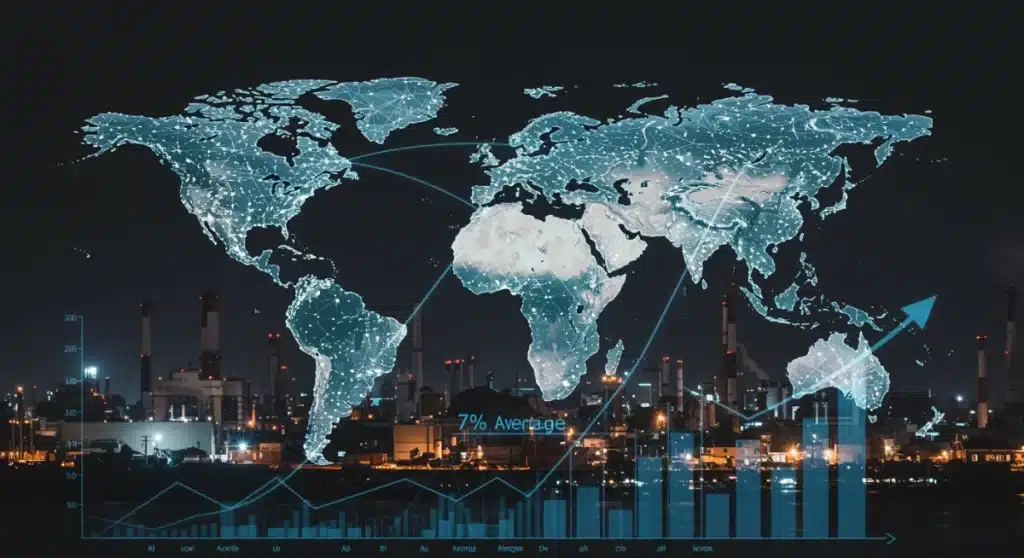
Latest developments on Crisis Briefing: How the Latest Global Supply Chain Disruptions Will Raise Consumer Prices by an Average of 7% in the US by Mid-2026, with key facts, verified sources and what readers need to monitor next in Estados Unidos, presented clearly in Inglês (Estados Unidos) (en-US).
A critical examination of the economic landscape reveals a significant challenge: Crisis Briefing: How the Latest Global Supply Chain Disruptions Will Raise Consumer Prices by an Average of 7% in the US by Mid-2026. This projected increase signals a profound impact on American households and businesses.
Understanding the root causes of this inflationary pressure, stemming from persistent global supply chain disruption, is paramount for informed decision-making. This report delves into the intricate factors contributing to this forecast, offering a comprehensive overview for stakeholders.
The Looming Inflationary Wave: A 7% Price Hike Forecast
New analyses indicate that the United States is on track to experience an average 7% increase in consumer prices by mid-2026, a direct consequence of ongoing global supply chain disruption. This projection, derived from multiple economic models and expert consensus, highlights the persistent and evolving nature of these challenges.
The current environment of geopolitical tensions, labor shortages, and energy market volatility continues to exert upward pressure on production and transportation costs. These factors, deeply embedded within the intricate web of the global supply chain, are systematically translating into higher prices for end consumers.
Economists and market analysts are closely monitoring these trends, emphasizing that the cumulative effects of these disruptions are now manifesting as a tangible threat to purchasing power. The average American household will likely feel the squeeze across various sectors, from everyday necessities to durable goods.
Unpacking the Global Supply Chain Disruption: Key Drivers
Several interconnected factors are fueling the current global supply chain disruption, creating a complex web of challenges that impede the smooth flow of goods. These drivers range from geopolitical shifts to structural economic imbalances, each contributing to the inflationary outlook.
The COVID-19 pandemic initially exposed vulnerabilities, but subsequent events have exacerbated them, transforming temporary setbacks into systemic issues. This ongoing instability makes predicting and mitigating future disruptions increasingly difficult for businesses worldwide.
Understanding these specific drivers is crucial for comprehending why the Crisis Briefing: How the Latest Global Supply Chain Disruptions Will Raise Consumer Prices by an Average of 7% in the US by Mid-2026 is not merely a transient phenomenon but a deeply rooted economic challenge.
Geopolitical Tensions and Trade Policies
Escalating geopolitical tensions, particularly in key manufacturing and shipping regions, significantly disrupt established trade routes and supply networks. Trade tariffs and protectionist policies further complicate international commerce, adding layers of cost and uncertainty to global transactions.
These political dynamics force companies to re-evaluate their sourcing strategies and consider reshoring or nearshoring, which often entails higher production costs. The ripple effect of such decisions directly contributes to the projected consumer price increases in the US.
Labor Shortages and Wage Pressures
Persistent labor shortages across critical sectors, including manufacturing, logistics, and transportation, continue to strain operational capacities. This scarcity leads to increased wage demands, which businesses often pass on to consumers in the form of higher prices.
The competition for skilled workers, combined with an aging workforce in some regions, creates a bottleneck that slows down production and distribution. This aspect of global supply chain disruption is a significant contributor to the inflationary forecast.
Energy Market Volatility and Transportation Costs
Fluctuations in global energy prices directly impact transportation costs, a major component of any supply chain. Rising fuel prices for shipping, trucking, and air cargo translate into higher freight rates, which are then absorbed by consumers.
Dependence on fossil fuels for logistics means that any instability in oil and gas markets immediately reverberates through the entire supply chain. This direct correlation makes energy costs a primary driver of the Crisis Briefing: How the Latest Global Supply Chain Disruptions Will Raise Consumer Prices by an Average of 7% in the US by Mid-2026.
Sector-Specific Impacts: Where Consumers Will Feel the Pinch
The projected 7% increase in consumer prices will not be uniformly distributed across all sectors; certain industries are more vulnerable to global supply chain disruption than others. Understanding these sector-specific impacts helps consumers and businesses anticipate where the most significant changes will occur.
From essential goods to technology, the intricate dependencies within the global economy mean that disruptions in one area can quickly cascade through others. This interconnectedness underscores the broad reach of the current inflationary pressures.
The Crisis Briefing: How the Latest Global Supply Chain Disruptions Will Raise Consumer Prices by an Average of 7% in the US by Mid-2026 necessitates a detailed look at how different markets are responding to these unprecedented challenges.
Food and Agricultural Products
The food sector is particularly susceptible to global supply chain disruption due to its reliance on international trade for fertilizers, raw materials, and seasonal produce. Transportation costs and labor shortages also play a critical role in increasing prices for groceries.
Climate-related events, though not a direct supply chain disruption, often exacerbate existing vulnerabilities, leading to reduced yields and further price volatility. Consumers can expect to see continued upward trends in their weekly food bills.
Automotive and Electronics Industries
The automotive and electronics sectors have been grappling with semiconductor shortages for an extended period, a prime example of targeted global supply chain disruption. This scarcity has led to production delays, reduced inventory, and consequently, higher prices for vehicles and electronic devices.
The complex manufacturing processes and specialized components in these industries make them highly sensitive to any interruption in the flow of goods. The ripple effects are long-lasting, influencing everything from car prices to the cost of new smartphones.
Apparel and Home Goods
The apparel and home goods markets face challenges from increased shipping costs and rising raw material prices, particularly for textiles and construction materials. These industries often rely on extensive global networks for manufacturing and distribution.
Delays in production and delivery, coupled with higher input costs, mean that consumers will likely pay more for clothing, furniture, and other household items. The Crisis Briefing: How the Latest Global Supply Chain Disruptions Will Raise Consumer Prices by an Average of 7% in the US by Mid-2026 will manifest clearly in these retail segments.
Economic Implications for US Households and Businesses
The projected 7% rise in consumer prices due to global supply chain disruption carries significant economic implications for both American households and businesses. This inflationary trend will erode purchasing power and necessitate strategic adjustments across the economy.
For households, the reality means a higher cost of living, forcing difficult decisions about budgeting and discretionary spending. Businesses, on the other hand, must contend with increased operational costs and potential shifts in consumer demand.
The overall economic health of the nation hinges on how effectively these challenges are managed and adapted to. The Crisis Briefing: How the Latest Global Supply Chain Disruptions Will Raise Consumer Prices by an Average of 7% in the US by Mid-2026 underlines a period of sustained economic pressure.
Impact on Consumer Spending and Savings
Higher prices for goods and services directly reduce the real income of consumers, leading to a decrease in discretionary spending. Households may find themselves allocating a larger portion of their budgets to necessities, thereby limiting savings and investment.
This shift in spending patterns can slow economic growth as demand for non-essential items diminishes. The erosion of purchasing power is a central concern arising from the pervasive global supply chain disruption.
Challenges for Small and Medium-Sized Businesses
Small and medium-sized businesses (SMBs) are particularly vulnerable to increased operational costs stemming from global supply chain disruption. They often lack the negotiating power of larger corporations to absorb rising material and transportation expenses, making them more likely to pass these costs onto consumers or face reduced profit margins.
Maintaining inventory and managing cash flow become more complex in an environment of volatile input prices. The Crisis Briefing: How the Latest Global Supply Chain Disruptions Will Raise Consumer Prices by an Average of 7% in the US by Mid-2026 presents a significant hurdle for their long-term viability.
Government and Corporate Responses to Mitigate Impact
In response to the escalating global supply chain disruption and its inflationary consequences, both governments and corporations are implementing various strategies. These measures aim to alleviate immediate pressures and build greater resilience into future supply networks.
While no single solution exists, a multi-faceted approach involving policy adjustments, technological innovation, and strategic partnerships is emerging. The goal is to soften the blow of the projected 7% consumer price increase.
The effectiveness of these responses will be crucial in determining the ultimate impact of the Crisis Briefing: How the Latest Global Supply Chain Disruptions Will Raise Consumer Prices by an Average of 7% in the US by Mid-2026 on the US economy.
Policy Interventions and Regulatory Adjustments
Governments are exploring policy interventions such as tax incentives for domestic production, infrastructure investments to improve logistics, and diplomatic efforts to ease trade tensions. Regulatory adjustments are also being considered to streamline customs processes and reduce bureaucratic hurdles.
These governmental actions aim to create a more favorable environment for businesses to operate and to reduce the friction points within the global supply chain. Such proactive measures are vital in a period of sustained disruption.
Corporate Strategies: Diversification and Technology Adoption
Corporations are responding by diversifying their supplier bases to reduce reliance on single regions or countries, a direct lesson from the widespread global supply chain disruption. Investing in automation and advanced analytics is also becoming a priority to enhance efficiency and visibility across their networks.
Nearshoring and reshoring initiatives are gaining traction as companies seek to shorten supply lines and reduce exposure to international volatility. These strategic shifts are integral to navigating the challenges outlined in the Crisis Briefing: How the Latest Global Supply Chain Disruptions Will Raise Consumer Prices by an Average of 7% in the US by Mid-2026.
Future Outlook: Navigating Persistent Supply Chain Volatility
The outlook suggests that global supply chain disruption will remain a significant factor influencing economic stability for the foreseeable future. While some issues may ease, new challenges are likely to emerge, requiring continuous adaptation from all stakeholders.
Businesses and consumers must prepare for an environment characterized by ongoing volatility and the need for greater flexibility. Proactive planning and strategic foresight will be essential in mitigating future shocks.
The path forward involves building more resilient, diversified, and transparent supply networks to withstand the pressures highlighted in the Crisis Briefing: How the Latest Global Supply Chain Disruptions Will Raise Consumer Prices by an Average of 7% in the US by Mid-2026.
Building Resilient Supply Networks
The emphasis is shifting towards creating more resilient supply networks that can absorb shocks and recover quickly. This involves investing in redundancy, improving data sharing among partners, and fostering regional supply ecosystems to reduce long-distance dependencies.
Companies are also exploring ‘digital twins’ of their supply chains to simulate disruptions and test mitigation strategies. Such innovations are crucial for long-term stability against global supply chain disruption.
The Role of Innovation and Automation
Technological innovation, particularly in automation, AI, and blockchain, is poised to play a transformative role in enhancing supply chain efficiency and transparency. These tools can optimize logistics, predict potential disruptions, and improve inventory management.
Automated warehouses, drone deliveries, and AI-powered demand forecasting are examples of how technology can help circumvent traditional bottlenecks. Embracing these advancements is critical to counter the inflationary pressures of the Crisis Briefing: How the Latest Global Supply Chain Disruptions Will Raise Consumer Prices by an Average of 7% in the US by Mid-2026.
Consumer Strategies for Adapting to Higher Prices
As the Crisis Briefing: How the Latest Global Supply Chain Disruptions Will Raise Consumer Prices by an Average of 7% in the US by Mid-2026 unfolds, consumers will need to adopt new strategies to manage their budgets effectively. Adapting to higher prices involves making informed choices and seeking value wherever possible.
This period of sustained inflation demands a more conscious approach to spending and saving, as the purchasing power of the dollar diminishes. Practical steps can help individuals and families navigate these economic headwinds.

Being proactive about financial planning and understanding market trends will empower consumers to mitigate the personal impact of global supply chain disruption.
Budgeting and Smart Shopping
Revisiting household budgets and identifying areas for potential savings becomes paramount. This includes planning meals, buying in bulk when discounts are available, and comparing prices across different retailers to find the best deals.
Prioritizing needs over wants and delaying non-essential purchases can also help manage expenses during inflationary periods. Smart shopping strategies are a direct response to the pressures of global supply chain disruption.
Exploring Alternatives and Local Sourcing
Consumers can mitigate the impact of higher prices by exploring alternative brands or products that offer better value. Additionally, supporting local producers and businesses can sometimes reduce reliance on global supply chains, potentially offering more stable pricing.
Local sourcing can also contribute to community resilience and reduce the environmental footprint associated with long-distance transportation. These choices reflect an adaptive approach to the ongoing economic shifts from global supply chain disruption.
Long-Term Economic Restructuring and Resilience
The current global supply chain disruption is not merely a temporary setback but a catalyst for long-term economic restructuring aimed at building greater resilience. This involves fundamental shifts in how goods are produced, distributed, and consumed globally.
Governments, industries, and international organizations are recognizing the need for systemic changes to prevent future vulnerabilities. The goal is to create an economic framework that can better withstand unforeseen shocks and maintain stability.
This restructuring is a direct response to the insights provided by the Crisis Briefing: How the Latest Global Supply Chain Disruptions Will Raise Consumer Prices by an Average of 7% in the US by Mid-2026, pushing for a more robust and adaptive global economy.
Re-evaluating Globalization Models
The era of hyper-globalization, driven by efficiency and cost-cutting, is being re-evaluated in favor of models that prioritize security and resilience. This includes a shift towards regionalization and the establishment of more diversified trade partnerships.
The focus is on creating supply chains that are not only efficient but also geographically diversified and less susceptible to single points of failure. This strategic recalibration is a profound implication of the global supply chain disruption.
Investment in Domestic Manufacturing and Infrastructure
To reduce dependence on foreign suppliers and bolster national economic security, there is a growing emphasis on investing in domestic manufacturing capabilities. This includes revitalizing local industries and promoting innovation within national borders.
Simultaneously, significant investments in infrastructure, such as ports, roads, and digital networks, are essential to improve internal logistics and support a more robust domestic supply chain. These efforts aim to counteract the effects of global supply chain disruption.
| Key Point | Brief Description |
|---|---|
| Price Hike Forecast | US consumer prices to rise 7% by mid-2026 due to supply chain issues. |
| Key Disruption Drivers | Geopolitical tensions, labor shortages, energy volatility. |
| Sectoral Impact | Food, automotive, electronics, apparel most affected. |
| Mitigation Strategies | Government policies, corporate diversification, consumer adaptation. |
Frequently Asked Questions About Supply Chain Disruptions and Consumer Prices
The central forecast indicates that consumer prices in the US are projected to rise by an average of 7% by mid-2026. This increase is primarily attributed to the ongoing and evolving global supply chain disruption, impacting various sectors of the economy.
Key factors driving the disruption include persistent geopolitical tensions affecting trade routes, widespread labor shortages across critical industries, and significant volatility in global energy markets. These elements collectively contribute to increased production and transportation costs.
Sectors expected to experience the most significant price hikes include food and agricultural products, the automotive industry due to semiconductor shortages, electronics, and apparel and home goods. These industries rely heavily on intricate global networks.
Consumers can adapt by implementing stricter budgeting, practicing smart shopping through price comparisons, and exploring alternative brands or local sourcing options. Prioritizing needs and delaying non-essential purchases are also effective strategies during inflationary periods.
Governments are considering policy interventions and infrastructure investments, while businesses are diversifying supplier bases, adopting advanced technologies like automation, and exploring nearshoring to build more resilient supply chains against global supply chain disruption.
What this means
The Crisis Briefing: How the Latest Global Supply Chain Disruptions Will Raise Consumer Prices by an Average of 7% in the US by Mid-2026 underscores a critical period of economic adjustment. This forecast demands a proactive stance from policymakers, businesses, and consumers alike.
Understanding the persistent nature of global supply chain disruption and its multifaceted causes is essential for navigating the coming months. Continuous monitoring of economic indicators and policy responses will be vital.
The emphasis on building resilient supply networks and fostering domestic capabilities points towards a significant restructuring of the global economic landscape, with long-term implications for stability and growth.