EPA Water Quality Regulations 2026: What 40 Million Americans Need to Know Now
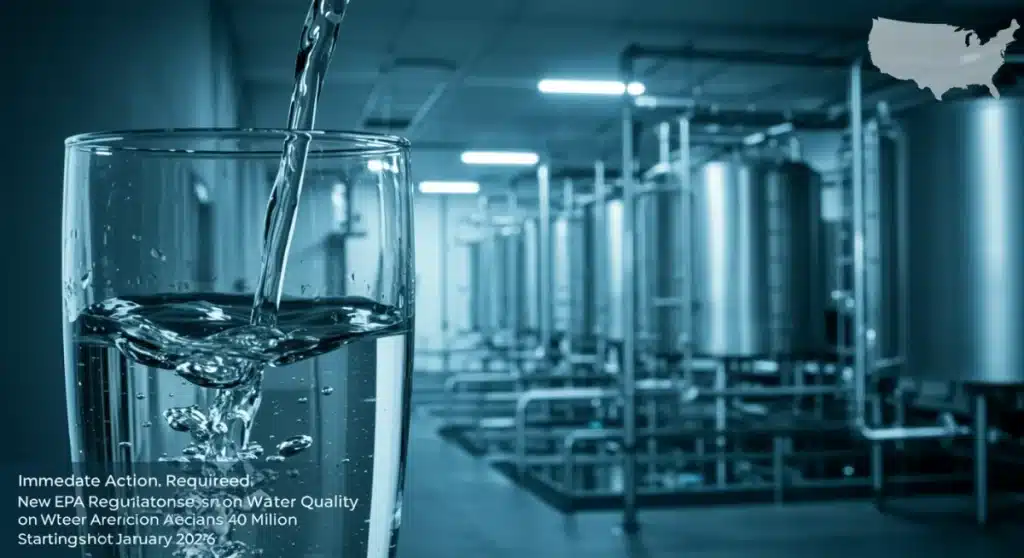
Immediate Action Required: New EPA Regulations on Water Quality Affecting 40 Million Americans Starting January 2026 demands urgent attention. This report details the crucial changes, their widespread implications, and the necessary steps for affected communities and stakeholders. Understand the impact and prepare for compliance.
Immediate Action Required: New EPA Regulations on Water Quality Affecting 40 Million Americans Starting January 2026 is now a pressing concern for municipalities, water utilities, and residents across the United States. These sweeping updates, set to take effect by January 2026, aim to address long-standing issues with contaminants, ensuring safer drinking water for a significant portion of the population.
The Environmental Protection Agency (EPA) has unveiled a comprehensive framework that redefines permissible levels for various substances, including PFAS “forever chemicals” and lead. This initiative marks a pivotal moment in environmental protection, shifting the landscape of water management and public health standards.
Understanding the intricacies of these new rules, their potential impact, and the necessary compliance measures is paramount. This article provides a detailed breakdown, offering clarity on what these regulations entail and what actions are required from all stakeholders.
The Mandate: What the New EPA Regulations Entail
The EPA’s latest rulings represent a significant overhaul of existing water quality standards, directly impacting approximately 40 million Americans. These regulations target a range of contaminants deemed harmful to human health, setting stringent new limits for their presence in public water systems.
Key among these are the Maximum Contaminant Levels (MCLs) for six PFAS compounds and revised guidelines for lead service line replacement. The agency emphasizes a proactive approach to safeguard communities from exposure to these pervasive and dangerous substances.
This federal mandate necessitates a systemic shift in how water is treated, monitored, and delivered across the nation. Compliance will demand substantial investment and operational adjustments from water providers.
Critical Contaminants Targeted
The new regulations specifically address per- and polyfluoroalkyl substances (PFAS), a group of man-made chemicals linked to various health problems. The EPA has established enforceable MCLs for six distinct PFAS compounds: PFOA, PFOS, PFNA, PFHxS, PFBS, and GenX chemicals.
For PFOA and PFOS, the MCL is set at an unprecedented 4 parts per trillion (ppt), a level virtually undetectable by older testing methods, reflecting the EPA’s commitment to eliminating these chemicals from drinking water. This stringent limit will require advanced filtration technologies and enhanced monitoring protocols.
Additionally, a Hazard Index has been introduced for the other four PFAS, which assesses the combined risk of exposure to these chemicals. This comprehensive approach aims to protect public health from both individual and cumulative contaminant effects.
Lead Service Line Replacement
Beyond PFAS, the new rules also significantly strengthen the Lead and Copper Rule (LCR), mandating the replacement of all lead service lines within ten years. This ambitious goal aims to eliminate a primary source of lead exposure in drinking water systems nationwide.
Water utilities are now required to develop comprehensive inventories of lead service lines and publicly report their progress. This transparency will enable communities to track their local utility’s efforts and hold them accountable for timely replacement.
The LCR revisions also include a lower trigger level for lead action, prompting corrective measures more quickly. This dual focus on PFAS and lead underscores the broad scope of the Immediate Action Required: New EPA Regulations on Water Quality Affecting 40 Million Americans Starting January 2026.
Who Is Affected: A National Impact
The reach of the Immediate Action Required: New EPA Regulations on Water Quality Affecting 40 Million Americans Starting January 2026 extends far beyond a few isolated communities. It encompasses a vast network of public water systems serving tens of millions of people across diverse geographic and economic landscapes.
From densely populated urban centers to sprawling rural areas, water providers face the challenge of updating infrastructure and operational procedures. This widespread impact necessitates a coordinated national response and significant financial investment.
Residents, businesses, and industries will all feel the ripple effects of these changes. Understanding these implications is crucial for effective adaptation and ensuring uninterrupted access to safe drinking water.
Municipalities and Water Utilities
Public water systems bear the primary responsibility for implementing the new EPA water quality regulations. This includes conducting extensive testing, upgrading treatment facilities, and managing lead service line replacement programs. Many utilities will need to invest in advanced filtration technologies, such as granular activated carbon (GAC) or reverse osmosis, to meet the strict PFAS limits.
The financial burden for these upgrades is substantial, with estimates running into the billions of dollars nationwide. While federal funding, including through the Bipartisan Infrastructure Law, is available, it may not cover the entirety of the costs, potentially leading to increased water rates for consumers.
Furthermore, utilities must develop detailed plans for public notification and engagement, ensuring residents are informed about water quality issues and the steps being taken to address them. The Immediate Action Required: New EPA Regulations on Water Quality Affecting 40 Million Americans Starting January 2026 demands meticulous planning and execution.
Residents and Consumers
For the 40 million Americans directly affected, these regulations promise safer drinking water, reducing the risk of exposure to harmful contaminants. While the benefits to public health are clear, residents may also experience changes in water service and costs.
Potential increases in water bills to cover infrastructure upgrades are a realistic possibility. Moreover, some residents may experience temporary disruptions during lead service line replacement, though utilities are mandated to minimize inconvenience.
It is crucial for consumers to stay informed about their local water utility’s compliance efforts and to understand their rights and responsibilities concerning water quality in their homes. The Immediate Action Required: New EPA Regulations on Water Quality Affecting 40 Million Americans Starting January 2026 is a collective effort.

The Timeline for Compliance: January 2026 Deadline
The January 2026 deadline for full compliance with the Immediate Action Required: New EPA Regulations on Water Quality Affecting 40 Million Americans Starting January 2026 is rapidly approaching. This timeline provides a critical window for water systems to assess their current infrastructure, plan necessary upgrades, and implement new testing and treatment protocols.
Failure to meet these deadlines can result in significant penalties and legal action from the EPA. The agency has made it clear that it expects prompt and thorough adherence to the new standards, emphasizing the urgency of the situation.
This period demands a concerted effort from all levels of government, water utilities, and environmental organizations to ensure a smooth transition and successful implementation. Proactive engagement is key to avoiding last-minute challenges.
Key Milestones and Dates
- Initial Monitoring Period: Public water systems must begin initial monitoring for PFAS within three years of the rule’s publication, which means by early 2027 for many.
- Compliance Deadline: Full compliance with the MCLs for PFAS and the lead service line replacement mandate is set for January 2026.
- Reporting Requirements: Utilities must regularly report monitoring results and compliance progress to the EPA and the public, maintaining transparency throughout the process.
These milestones are designed to provide a structured path toward achieving the new water quality standards. Each step is critical, building upon the previous one to ensure comprehensive protection for drinking water sources.
Challenges and Potential Delays
Despite the clear timeline, water utilities face numerous challenges that could potentially delay compliance. These include the complexity of identifying and removing PFAS, the high cost of advanced treatment technologies, and the logistical hurdles of replacing lead service lines across vast networks.
Securing adequate funding, obtaining necessary permits, and managing public expectations are also significant obstacles. Workforce shortages in the water sector could further complicate efforts to meet the demanding requirements of the Immediate Action Required: New EPA Regulations on Water Quality Affecting 40 Million Americans Starting January 2026.
Effective collaboration between federal, state, and local entities will be crucial in overcoming these challenges and ensuring that the January 2026 deadline is met. Proactive problem-solving and resource allocation are essential for success.
Funding and Support for Implementation
Recognizing the substantial financial and technical demands of the Immediate Action Required: New EPA Regulations on Water Quality Affecting 40 Million Americans Starting January 2026, the federal government has allocated significant resources to assist water systems. These funding opportunities are critical for smaller, underserved communities that might struggle with the costs of compliance.
The Bipartisan Infrastructure Law (BIL) stands as a cornerstone of this support, providing billions of dollars for water infrastructure improvements. This funding is designed to help communities upgrade their systems, replace lead pipes, and install advanced treatment technologies.
However, accessing and effectively utilizing these funds requires careful planning and strategic application. Water utilities must be proactive in seeking out and securing the financial assistance available to them.
Federal Funding Initiatives
The EPA, in conjunction with other federal agencies, offers various grant and loan programs specifically tailored to support water infrastructure projects. These include the Drinking Water State Revolving Fund (DWSRF), which provides low-interest loans to public water systems.
Additionally, dedicated funding streams for lead service line replacement and emerging contaminants like PFAS have been established under the BIL. These programs aim to alleviate the financial burden on local communities and accelerate compliance efforts.
Water systems are encouraged to work closely with their state environmental agencies to understand eligibility requirements and application processes for these vital funding opportunities. The success of the Immediate Action Required: New EPA Regulations on Water Quality Affecting 40 Million Americans Starting January 2026 hinges on this financial support.
Technical Assistance and Guidance
Beyond financial aid, the EPA and its partners are providing extensive technical assistance to water utilities. This support includes guidance documents, training programs, and direct consultation to help systems navigate the complexities of the new regulations.
Resources are available to assist with contaminant identification, treatment technology selection, and best practices for lead service line replacement. These programs are particularly valuable for smaller utilities that may lack in-house expertise.
Collaborative efforts between federal agencies, state regulators, and industry associations are fostering a supportive environment for compliance. This comprehensive support system is essential for ensuring that all water systems can meet the demands of the Immediate Action Required: New EPA Regulations on Water Quality Affecting 40 Million Americans Starting January 2026.
Public Health Implications and Benefits
The primary driver behind the Immediate Action Required: New EPA Regulations on Water Quality Affecting 40 Million Americans Starting January 2026 is the profound impact on public health. By setting stricter limits on harmful contaminants, the EPA aims to significantly reduce the incidence of various diseases and health conditions linked to polluted drinking water.
The long-term benefits of these regulations are expected to be substantial, leading to healthier communities and reduced healthcare costs. This proactive approach to water quality protection underscores the government’s commitment to safeguarding its citizens.
Understanding these health benefits is crucial for garnering public support and emphasizing the importance of compliance. The investment in clean water is ultimately an investment in human well-being.
Reducing PFAS Exposure Risks
PFAS chemicals have been linked to a wide array of serious health issues, including certain cancers, developmental problems in children, liver damage, immune system dysfunction, and thyroid disease. The new MCLs for PFAS are expected to dramatically reduce exposure to these persistent chemicals.
By eliminating these contaminants from drinking water, the EPA anticipates a significant decrease in the health burdens associated with PFAS. This will lead to healthier pregnancies, improved child development, and a lower risk of chronic diseases for millions of Americans.
The preventative nature of these regulations means that health benefits will accrue over generations, creating a lasting legacy of cleaner water and better public health outcomes. The Immediate Action Required: New EPA Regulations on Water Quality Affecting 40 Million Americans Starting January 2026 is a critical public health intervention.
Eliminating Lead in Drinking Water
Lead exposure, even at low levels, is known to cause severe developmental and neurological damage, particularly in children. The mandate to replace all lead service lines within a decade will virtually eliminate this threat from drinking water systems.
This will result in improved cognitive development in children, reduced behavioral problems, and a lower incidence of lead-related health issues in adults. The long-term societal benefits, including increased productivity and reduced special education costs, are immense.
The comprehensive approach to addressing both PFAS and lead contaminants highlights the holistic vision of the Immediate Action Required: New EPA Regulations on Water Quality Affecting 40 Million Americans Starting January 2026. This is a monumental step towards ensuring universal access to safe drinking water.
Challenges and Future Outlook
While the intent behind the Immediate Action Required: New EPA Regulations on Water Quality Affecting 40 Million Americans Starting January 2026 is clear, the path to full implementation is fraught with challenges. Technical hurdles, financial constraints, and the sheer scale of the undertaking require sustained effort and innovative solutions.
The future outlook depends heavily on the collaborative spirit between federal agencies, state governments, local utilities, and the public. Continued monitoring, adaptation, and investment will be essential to maintain compliance and protect water quality.
The dynamic nature of environmental science also means that new contaminants may emerge, requiring future regulatory adjustments. This ongoing vigilance is a testament to the continuous effort needed for water protection.
Technical and Operational Difficulties
Implementing advanced treatment technologies for PFAS removal is complex and requires specialized expertise. Many smaller water systems may lack the technical capacity or financial resources to adopt these solutions without significant external support.
The identification and replacement of lead service lines also present operational challenges, particularly in older cities with extensive and poorly documented infrastructure. Digging up and replacing thousands of miles of pipes is a massive civil engineering undertaking.
Furthermore, managing the waste generated from PFAS treatment and lead pipe removal requires careful planning to prevent secondary environmental contamination. The Immediate Action Required: New EPA Regulations on Water Quality Affecting 40 Million Americans Starting January 2026 is a complex endeavor.
Ensuring Long-Term Sustainability
Beyond the initial compliance deadline, ensuring the long-term sustainability of these water quality improvements is paramount. This requires continuous investment in infrastructure maintenance, ongoing research into emerging contaminants, and robust regulatory enforcement.
Public education and community engagement will also play a vital role in fostering a culture of water stewardship. Informed citizens are more likely to support necessary investments and adopt practices that protect water sources.
The Immediate Action Required: New EPA Regulations on Water Quality Affecting 40 Million Americans Starting January 2026 represents a foundational step, but the journey to truly clean and safe drinking water is an ongoing process that demands sustained commitment from all stakeholders.
| Key Point | Brief Description |
|---|---|
| PFAS Limits | Strict MCLs for six PFAS compounds, including 4 ppt for PFOA and PFOS. |
| Lead Pipe Replacement | Mandates replacement of all lead service lines within 10 years. |
| January 2026 Deadline | Critical date for water systems to achieve full compliance with new regulations. |
| Federal Funding | Billions allocated through BIL for infrastructure upgrades and compliance support. |
Frequently Asked Questions About EPA Water Quality Regulations
The primary changes involve establishing Maximum Contaminant Levels (MCLs) for six PFAS “forever chemicals,” with PFOA and PFOS set at 4 parts per trillion. Additionally, the regulations mandate a 10-year timeline for the replacement of all lead service lines across public water systems, significantly strengthening the Lead and Copper Rule.
Approximately 40 million Americans are directly affected by the Immediate Action Required: New EPA Regulations on Water Quality Affecting 40 Million Americans Starting January 2026. This impact extends to residents served by public water systems that currently have PFAS contamination or lead service lines, necessitating widespread improvements to infrastructure and treatment.
Public water systems must achieve full compliance with the new Maximum Contaminant Levels for PFAS and the lead service line replacement mandate by January 2026. Initial monitoring for PFAS is required to begin within three years of the rule’s publication, leading up to the final compliance deadline.
The federal government, primarily through the Bipartisan Infrastructure Law (BIL), has allocated billions of dollars to support water infrastructure upgrades. This funding is available via programs like the Drinking Water State Revolving Fund, offering grants and low-interest loans specifically for lead pipe replacement and PFAS treatment technologies.
The regulations are expected to significantly reduce exposure to harmful PFAS chemicals and lead, leading to improved public health outcomes. This includes a lower risk of cancers, developmental issues in children, liver damage, and neurological problems, fostering healthier communities and reducing long-term healthcare burdens for millions of Americans.
What This Means
The Immediate Action Required: New EPA Regulations on Water Quality Affecting 40 Million Americans Starting January 2026 represents a monumental shift in national water policy, setting a new benchmark for public health protection. While the January 2026 deadline looms, the commitment to cleaner drinking water is clear. Water utilities, supported by federal funding and technical assistance, must accelerate their efforts to comply, ensuring that the benefits of these regulations reach every affected American. The ongoing vigilance and adaptation will define the success of this critical initiative.