Well-Aging: 5 Lifestyle Shifts for Americans Over 50 in 2026
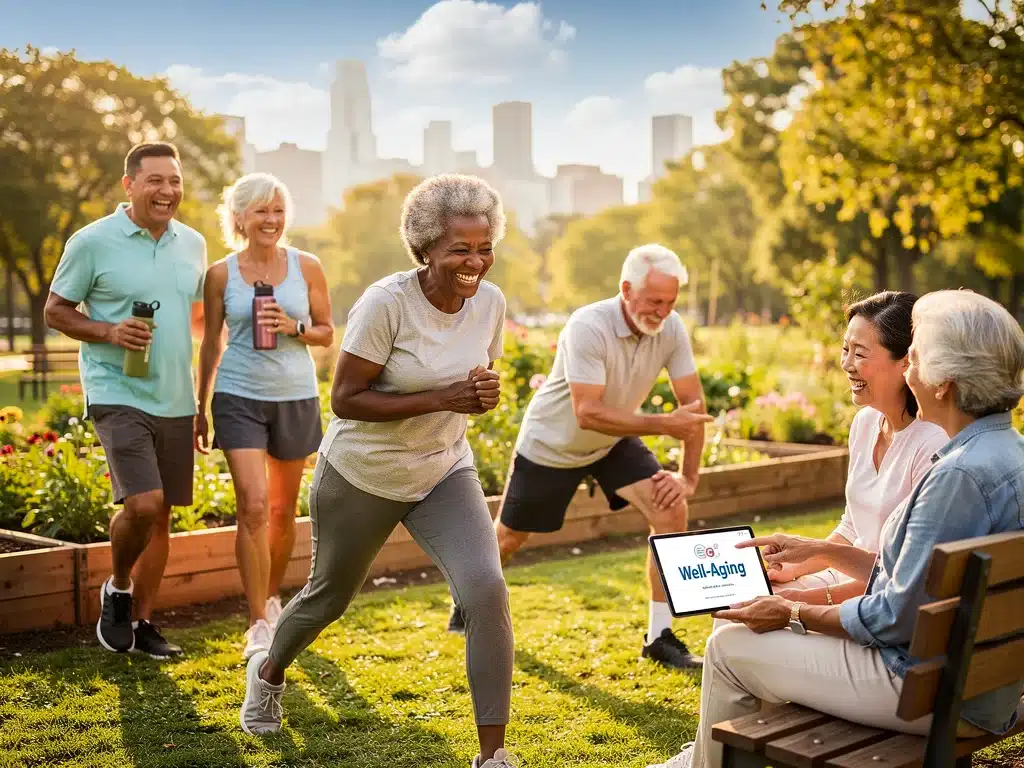
The well-aging lifestyle shifts for Americans over 50 in 2026 are redefining later life. This report highlights five key trends impacting health, technology, and social engagement. Understand these changes to navigate the evolving landscape of active, fulfilling aging.
The Rise of ‘Well-Aging’: 5 Lifestyle Shifts for Americans Over 50 in 2026 is shaping today’s agenda with new details released by industry sources and demographic analysts. This update prioritizes what has changed, why it matters, and what to watch next, offering a straightforward news perspective on evolving senior life.
Americans over 50 are increasingly embracing a proactive approach to aging, moving beyond traditional retirement notions. This paradigm shift, often termed ‘well-aging’, emphasizes sustained vitality, purpose, and engagement rather than merely slowing decline.
The year 2026 is poised to be a pivotal moment, solidifying several lifestyle transformations already underway. These shifts reflect advancements in health, technology, and societal attitudes, creating new opportunities for a fulfilling second half of life.
Proactive Health and Personalized Wellness
The first significant shift involves a heightened focus on proactive health management and personalized wellness strategies. Americans over 50 are no longer waiting for health issues to arise but are actively seeking ways to prevent them and optimize their well-being.
This includes adopting personalized nutrition plans, engaging in regular physical activity tailored to individual needs, and prioritizing mental health. Wearable technology and at-home diagnostic tools play a crucial role in empowering individuals to take control of their health data.
The emphasis is on understanding one’s unique biological makeup and lifestyle factors to create a bespoke wellness regimen. This move towards individualized care is a cornerstone of the well-aging lifestyle shifts.
Data-Driven Health Optimization
Advanced analytics and artificial intelligence are transforming how individuals manage their health. Personal health dashboards consolidate data from various sources, offering actionable insights.
This allows for real-time adjustments to diet, exercise, and sleep patterns, based on biometric feedback. The integration of these tools into daily life is becoming seamless, supporting continuous health improvement.
Preventative Care and Longevity Science
Investment in preventative care extends beyond routine check-ups to include genetic counseling and early risk assessments. Research in longevity science is also influencing lifestyle choices, with an increased interest in practices that extend healthspan.
This includes exploring supplements, therapies, and lifestyle modifications backed by scientific evidence. The goal is not just to live longer, but to live healthier and more vibrantly into advanced age.
Embracing Technology for Connection and Convenience
The second major trend sees Americans over 50 fully embracing technology, not just for communication but for enhancing daily life, learning, and staying connected. The digital divide is rapidly closing for this demographic, as technological literacy improves.
From smart home devices that enhance safety and convenience to virtual reality platforms offering immersive experiences, technology is becoming an indispensable part of the well-aging toolkit. This adoption fosters greater independence and reduces social isolation.
The ease of access to information and services online also empowers older adults to manage their affairs more efficiently and explore new interests. This widespread technological integration is a defining aspect of the well-aging lifestyle shifts.
Digital Literacy and Online Engagement
Programs focused on digital literacy are becoming more prevalent, ensuring that older adults can confidently navigate the online world. This includes everything from secure online banking to participating in virtual social groups.
- Online learning platforms for new skills and hobbies.
- Telehealth services for convenient medical consultations.
- Social media for maintaining family and friend connections.
Smart Home and Assistive Technologies
Smart home technologies offer practical benefits, such as automated lighting, voice-controlled assistants, and smart security systems. These innovations contribute to a safer and more comfortable living environment.
Assistive technologies, including advanced hearing aids and mobility aids, are also becoming more sophisticated and less intrusive. These tools empower individuals to maintain their independence within their homes and communities.

Purpose-Driven Engagement and Lifelong Learning
A significant shift is the growing desire among Americans over 50 for purpose-driven engagement, whether through continued work, volunteering, or pursuing new passions. The concept of a fixed retirement age is increasingly being re-evaluated.
Many are choosing to remain in the workforce, often in flexible roles, or to embark on second careers that align with their values and interests. This pursuit of purpose contributes significantly to mental well-being and a sense of contribution.
Lifelong learning is also a central component, with older adults enrolling in courses, workshops, and online programs to acquire new skills or deepen existing knowledge. This continuous intellectual stimulation is vital for cognitive health and personal growth, reinforcing the well-aging lifestyle shifts.
Redefining Work and Retirement
The traditional model of retirement is evolving into a more fluid transition, often involving phased retirement or consulting roles. Many find meaning and social connection through continued professional engagement.
Entrepreneurship among older adults is also on the rise, as individuals leverage their experience and wisdom to start new ventures. This redefinition of work fosters financial stability and personal fulfillment.
Volunteerism and Community Impact
- Volunteering in local organizations and non-profits.
- Mentoring younger generations through formal and informal programs.
- Participating in advocacy groups for causes they care about.
Contributing to the community provides a strong sense of purpose and combating feelings of isolation. These activities are integral to the well-aging lifestyle shifts, promoting both individual and collective well-being.
Financial Wellness and Flexible Lifestyles
Financial wellness is taking on new dimensions for Americans over 50, moving beyond traditional retirement savings to include strategies for managing income streams, planning for long-term care, and adapting to economic changes. Flexibility in financial planning is key.
This involves exploring diverse investment opportunities, understanding evolving healthcare costs, and potentially utilizing assets to support a desired lifestyle. The goal is to ensure financial security that supports an active and engaged life.
Furthermore, there is a growing trend towards more flexible living arrangements, including multi-generational housing, co-housing communities, and mobile living options. These choices reflect a desire for adaptable and cost-effective lifestyles that align with well-aging principles.
Diversified Income and Asset Management
Many older adults are exploring diversified income streams beyond traditional pensions and Social Security. This can include rental income, passive investments, or income from part-time work or consulting.
Strategic asset management, including real estate and investment portfolios, is crucial for maintaining financial independence. Financial advisors specializing in later-life planning are in high demand as individuals navigate these complexities.
Adaptive Living and Housing Solutions
The housing market is responding to the needs of older adults with more flexible and adaptable options. This includes homes designed with universal access features and communities that foster social interaction and support.
The rise of ‘age-in-place’ technologies and services also allows individuals to remain in their homes longer, comfortably and safely. These adaptive solutions are central to supporting the well-aging lifestyle shifts.
Strong Social Connections and Intergenerational Bonds
The fifth and equally critical shift emphasizes the importance of strong social connections and fostering intergenerational bonds. Loneliness and social isolation are recognized as significant health risks, and older adults are actively seeking ways to build and maintain robust social networks.
This involves participating in community groups, maintaining relationships with family and friends, and actively seeking out opportunities for intergenerational interaction. These connections provide emotional support, intellectual stimulation, and a sense of belonging.
The value of wisdom sharing and mutual support between different age groups is increasingly appreciated, contributing to a richer societal fabric. These strong social ties are fundamental to the well-aging lifestyle shifts.
Community Building and Engagement
Community centers, senior organizations, and local clubs are becoming hubs for social activity and engagement. These platforms offer a variety of programs, from fitness classes to book clubs, catering to diverse interests.
The emphasis is on creating inclusive environments where individuals can forge new friendships and strengthen existing ones. Active participation in these communities combats isolation and promotes mental well-being.
Fostering Intergenerational Relationships
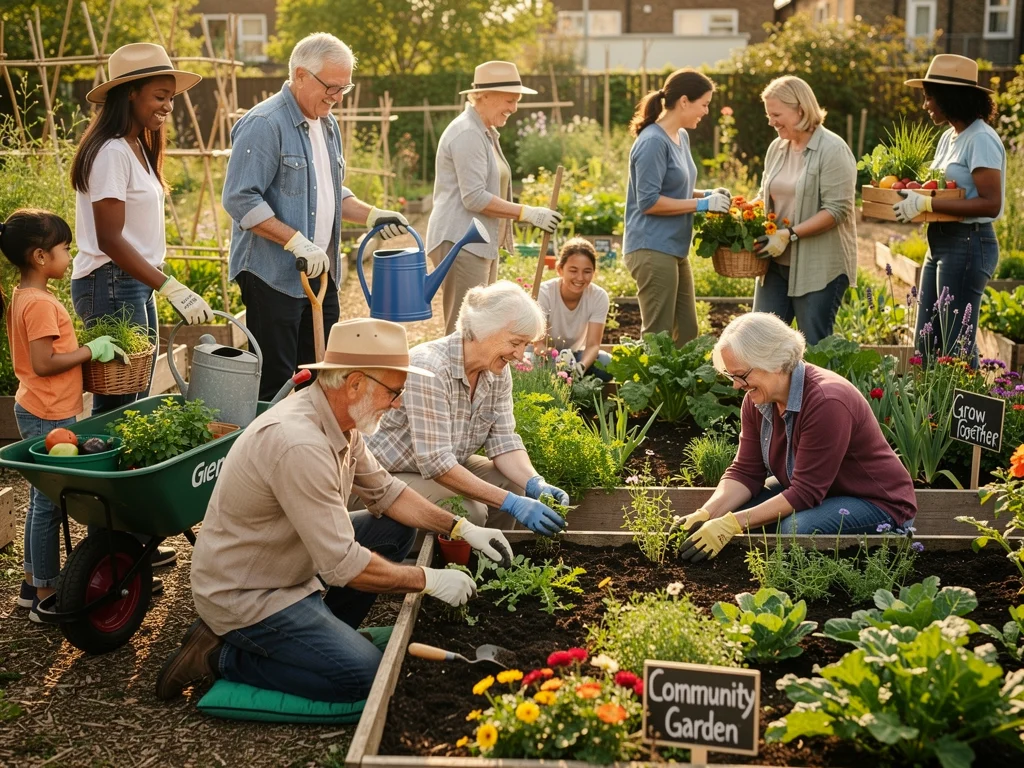
Opportunities for intergenerational interaction are being actively cultivated, from mentorship programs to shared living arrangements. These connections offer mutual benefits, with older adults sharing their wisdom and younger generations offering fresh perspectives.
Family bonds are also being strengthened through shared activities and increased communication, often facilitated by technology. These rich intergenerational relationships are vital for a holistic approach to well-aging lifestyle shifts.
| Key Shift | Brief Description |
|---|---|
| Proactive Health | Personalized wellness, preventative care, and longevity science for optimal health. |
| Tech Integration | Embracing digital tools for connection, convenience, and enhanced daily living. |
| Purpose-Driven Life | Continued work, volunteering, and lifelong learning for meaning and growth. |
| Financial Adaptability | Flexible financial planning and adaptive living solutions for security. |
Frequently Asked Questions About Well-Aging Lifestyle Shifts
Well-aging is a proactive approach to later life, emphasizing sustained physical and mental vitality, purpose, and social engagement. It moves beyond simply managing age-related decline to actively optimizing health and well-being, embracing the well-aging lifestyle shifts.
Technology enhances well-aging by providing tools for health monitoring, connecting with loved ones, accessing online learning, and improving home safety and convenience. It empowers individuals over 50 to maintain independence and engagement.
Purpose-driven engagement, through work, volunteering, or hobbies, provides meaning, boosts mental well-being, and fosters social connections. It contributes to a sense of value and contribution, which are crucial aspects of well-aging lifestyle shifts.
Financial wellness in well-aging involves diversified income strategies, careful asset management, and planning for long-term care. It also includes exploring flexible living arrangements to ensure security and support desired lifestyles, aligning with well-aging lifestyle shifts.
Building strong social connections involves participating in community groups, maintaining family ties, and fostering intergenerational relationships. These interactions combat isolation, provide emotional support, and enrich the overall well-aging experience, crucial for well-aging lifestyle shifts.
Looking Ahead: The Evolution of Well-Aging
The well-aging lifestyle shifts for Americans over 50 in 2026 signify a profound cultural and societal transformation. These trends indicate a future where aging is viewed not as a period of decline but as an opportunity for sustained growth, purpose, and vitality. As these shifts continue to embed themselves, we can expect further innovations in healthcare, technology, and community design tailored to support this dynamic demographic. Monitoring these developments will be crucial for individuals and institutions alike, ensuring that the promise of well-aging becomes a widespread reality.