Decoding the Top 3 Sustainable Living Hacks in US Homes by 2026
Latest developments on Decoding the Top 3 Sustainable Living Hacks Gaining Traction in US Homes by 2026, with key facts, verified sources and what readers need to monitor next in the United States, presented clearly in English (United States).
Decoding the Top 3 Sustainable Living Hacks Gaining Traction in US Homes by 2026 is shaping today’s agenda with new details released by industry experts and environmental organizations. This update prioritizes what changed, why it matters, and what to watch next, in a straightforward news format for eco-conscious homeowners and those interested in sustainable living hacks US.
The push for sustainable living in the US is intensifying, driven by climate concerns, rising utility costs, and a growing desire for healthier home environments. As we approach 2026, specific innovations and practices are emerging as frontrunners, indicating a clear direction for residential sustainability.
This report delves into the most impactful sustainable living strategies, providing a verified analysis of their current adoption rates, projected growth, and practical implications for American households. Understanding these trends is crucial for anyone looking to make their home more environmentally friendly and cost-effective.
The Rise of Smart Energy Management Systems
Smart energy management systems are rapidly becoming a cornerstone of sustainable living hacks US, offering homeowners unprecedented control over their energy consumption. These integrated platforms leverage AI and automation to optimize heating, cooling, lighting, and appliance usage, significantly reducing overall energy footprints.
The adoption of these systems is spurred by advancements in IoT technology and increasing consumer awareness of energy waste. Early adopters report substantial savings on utility bills, alongside a reduced carbon impact, making them a highly attractive option for the modern American home.
As of late 2024, market data from leading energy analytics firms indicates a steady upward trajectory for smart energy solutions, with projections showing widespread integration across new constructions and retrofits by 2026. This trend underscores a broader shift towards proactive and data-driven approaches to home sustainability.
Optimizing Home Energy Consumption
Smart thermostats, intelligent lighting, and connected appliances work in concert to learn household patterns and adjust energy use accordingly. This predictive capability ensures that energy is consumed only when and where it is truly needed, preventing unnecessary expenditure.
For instance, a smart thermostat can learn a family’s schedule and pre-cool or pre-heat a home only when occupants are expected to arrive, rather than maintaining constant temperatures in an empty house. This level of precision is key to maximizing energy efficiency and is a core component of sustainable living hacks US.
- Automated temperature control based on occupancy.
- Remote management of lighting and power outlets.
- Real-time energy consumption monitoring and reporting.
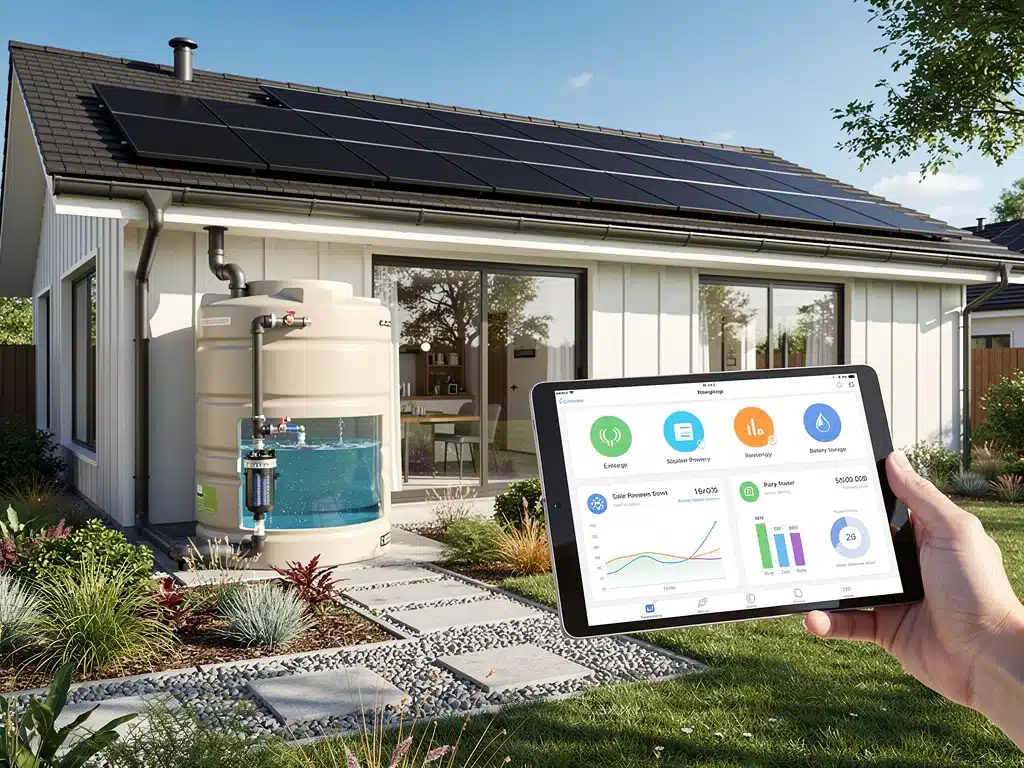
The integration of renewable energy sources, such as rooftop solar panels, further amplifies the benefits of smart energy management. These systems can intelligently manage energy flow, prioritizing self-consumption of generated power and exporting surplus back to the grid, maximizing both environmental and financial returns.
Advanced Water Conservation Technologies
Water scarcity and rising water costs are pushing American households to embrace advanced water conservation technologies as a critical element of sustainable living hacks US. Innovations in smart irrigation, low-flow fixtures, and greywater recycling are transforming how homes manage their water resources.
These technologies are designed to minimize water waste without compromising convenience or lifestyle. From automated leak detection to highly efficient appliances, the focus is on precise water usage and effective recycling, making every drop count.
Reports from the Environmental Protection Agency (EPA) highlight a growing interest in residential water efficiency programs, with significant government incentives encouraging the adoption of these systems. By 2026, these solutions are expected to be commonplace in homes across drought-prone regions and beyond.
Revolutionizing Residential Water Use
Smart irrigation systems utilize local weather data and soil moisture sensors to deliver water precisely when and where it’s needed, eliminating wasteful watering. This contrasts sharply with traditional timers that often over-water, leading to significant runoff and evaporation.
Furthermore, low-flow showerheads, toilets, and faucets have evolved to provide excellent performance while drastically reducing water consumption. These fixtures are no longer perceived as compromises but as essential components of a modern, efficient home, driving the sustainable living hacks US movement.
- Sensor-based smart irrigation for landscaping.
- High-efficiency low-flow plumbing fixtures.
- Greywater recycling systems for non-potable uses.
Greywater recycling, which reuses water from sinks, showers, and laundry for irrigation or toilet flushing, represents a more advanced step in water conservation. While requiring a more significant initial investment, these systems offer substantial long-term water savings and are gaining traction in areas facing severe water restrictions.
Comprehensive Waste Reduction and Composting
Minimizing waste and maximizing resource recovery through composting and recycling are fundamental sustainable living hacks US. As landfills reach capacity and environmental consciousness grows, households are adopting more comprehensive strategies to reduce their ecological footprint.
Beyond traditional curbside recycling, the focus is shifting towards reducing consumption, reusing items, and especially composting organic waste. This holistic approach aims to divert a significant portion of household waste from landfills, transforming it into valuable resources.
The push for zero-waste living is gaining momentum, supported by community initiatives, educational programs, and the availability of innovative composting solutions. By 2026, enhanced waste management practices are anticipated to be a standard feature in many US homes.
Embracing Zero-Waste Principles
Composting kitchen scraps and yard waste not only reduces landfill volume but also enriches soil, benefiting home gardens and local ecosystems. Modern composting solutions, from compact indoor bins to automated electric composters, make this practice accessible to urban and suburban dwellers alike.
Beyond composting, a conscious effort to reduce single-use plastics and choose products with minimal packaging is paramount. This involves a shift in consumer behavior, prioritizing durable goods and supporting brands committed to sustainable packaging, further strengthening sustainable living hacks US.
- Indoor and outdoor composting systems for organic waste.
- Strategic reduction of single-use plastics in daily life.
- Support for local recycling programs and waste diversion initiatives.
Educational outreach plays a crucial role in promoting these practices, teaching households how to effectively sort waste, identify recyclable materials, and understand the benefits of composting. The collective impact of these individual actions contributes significantly to broader environmental goals.
Integrating Renewable Energy Solutions
The integration of renewable energy solutions, particularly solar power, stands as a pivotal sustainable living hack US, transforming residential energy landscapes. Homeowners are increasingly turning to solar panels to generate their own electricity, reducing reliance on fossil fuels and lowering utility costs.
Advances in solar technology have made panels more efficient, aesthetically pleasing, and affordable, accelerating their adoption across various climates and housing types. Government incentives, such as tax credits and rebates, further sweeten the deal, making solar a financially attractive option.
Industry forecasts indicate a significant surge in residential solar installations by 2026, as more states introduce favorable policies and battery storage solutions become more accessible. This trend positions solar as a cornerstone of energy independence and environmental stewardship for US homes.
Harnessing Solar Power for the Home
Rooftop solar panels convert sunlight into electricity, powering everything from lights and appliances to heating and cooling systems. Excess energy can often be sold back to the grid through net metering programs, effectively turning homes into mini power plants and generating income.
The addition of home battery storage systems allows homeowners to store surplus solar energy for use during peak demand hours or power outages. This enhances energy resilience and maximizes the economic benefits of solar installations, embodying advanced sustainable living hacks US.
- Installation of high-efficiency rooftop solar panels.
- Integration with home battery storage for energy independence.
- Participation in net metering programs to sell excess energy.
Beyond traditional solar panels, innovative solar technologies like solar shingles and transparent solar windows are emerging, offering more seamless integration into home design. These aesthetic improvements are expected to further drive adoption, making solar a mainstream feature of sustainable homes.
The Role of Smart Home Technology in Sustainability
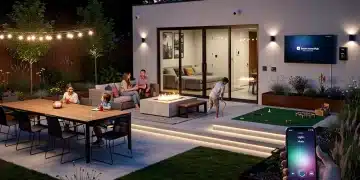
Smart home technology is not merely about convenience; it’s a powerful enabler of sustainable living hacks US, providing tools for precise control and optimization of various home systems. From energy and water management to security and climate control, smart devices offer actionable insights and automation capabilities.
These technologies allow homeowners to monitor resource consumption in real-time, identify inefficiencies, and make informed decisions to reduce their environmental impact. The interconnected nature of smart home ecosystems creates a synergistic effect, where devices work together to achieve greater sustainability.
Analysts predict that by 2026, a significant percentage of US homes will incorporate multiple smart devices, driven by the desire for both convenience and eco-friendliness. This integration is crucial for achieving truly optimized sustainable living.
Connected Devices for Eco-Efficiency
Smart sensors can detect leaks in plumbing systems, immediately alerting homeowners and preventing significant water waste and damage. Similarly, smart plugs can cut power to devices not in use, eliminating phantom energy drain, a subtle yet significant contributor to energy consumption.
Voice-activated assistants and centralized control hubs simplify the management of these diverse systems, making sustainable practices effortless for residents. This ease of use is critical for widespread adoption and integrating sustainable living hacks US into daily routines.
- Leak detection sensors for immediate water conservation.
- Smart plugs to eliminate phantom energy consumption.
- Centralized smart home hubs for integrated resource management.
The data collected by smart home systems can also provide valuable feedback on usage patterns, helping homeowners refine their habits and identify further opportunities for efficiency. This continuous improvement loop is a core benefit of smart technology in the pursuit of a greener lifestyle.
Community and Policy Impact on Sustainable Living
The trajectory of sustainable living hacks US is significantly influenced by community initiatives and supportive public policies. Local governments, environmental groups, and neighborhood associations play a crucial role in educating residents and facilitating the adoption of eco-friendly practices.
Policies such as zoning regulations favoring green building, incentives for renewable energy, and robust recycling programs are instrumental in creating an environment where sustainable living can thrive. These external factors often provide the necessary push for broader societal change.
Looking towards 2026, increased collaboration between public and private sectors, coupled with growing grassroots movements, is expected to accelerate the integration of sustainable practices into everyday American life, making these hacks more accessible and widespread.
Fostering a Culture of Sustainability
Community workshops on composting, energy audits, and water-wise landscaping empower homeowners with the knowledge and skills needed to implement sustainable living hacks US. Sharing best practices and success stories within neighborhoods creates a positive feedback loop, encouraging more residents to participate.
Government subsidies for energy-efficient appliances, solar panel installations, and electric vehicle charging infrastructure directly reduce the financial barriers to adopting sustainable technologies. These incentives are vital for making eco-friendly choices economically viable for a wider demographic.
- Local workshops and educational programs on sustainable practices.
- Government incentives and rebates for eco-friendly home upgrades.
- Community-led initiatives promoting resource sharing and conservation.
Furthermore, building codes are evolving to mandate higher energy efficiency standards for new constructions, ensuring that future homes are inherently more sustainable. This proactive regulatory approach is critical for long-term environmental progress and the widespread adoption of sustainable living hacks US.
Challenges and Future Outlook for Sustainable Hacks
Despite the rapid growth, the journey of sustainable living hacks US faces several challenges, including initial investment costs, lack of widespread awareness, and the need for continuous technological innovation. Overcoming these hurdles is critical for achieving universal adoption by 2026 and beyond.
The upfront expense of installing solar panels, smart home systems, or greywater recycling units can be a barrier for some households, even with available incentives. Addressing these financial considerations through accessible financing options and expanded subsidies remains a priority.
However, the future outlook remains overwhelmingly positive, driven by consumer demand, technological advancements, and a growing global commitment to environmental stewardship. The trajectory indicates a future where sustainable living is not just an option but a standard.
Addressing Barriers to Adoption
One primary challenge is ensuring that information about sustainable living hacks US is readily available and understandable to all homeowners, regardless of their technical expertise. Simplifying complex concepts and demonstrating tangible benefits are key to broader engagement.
Moreover, the integration of diverse sustainable technologies often requires professional installation and maintenance, which can add to the overall cost and complexity. Developing user-friendly, DIY-friendly solutions or expanding access to skilled professionals can mitigate this issue.
- Developing clearer educational resources and outreach programs.
- Expanding financial incentives and affordable financing options.
- Streamlining installation processes and increasing availability of skilled labor.
As technology continues to evolve, the costs associated with sustainable solutions are expected to decrease, making them even more accessible. Coupled with increasing public awareness and supportive policies, the widespread integration of sustainable living hacks US is not just a possibility, but an impending reality.
| Key Hack | Brief Description |
|---|---|
| Smart Energy Management | AI-driven systems for optimizing home energy use and reducing bills. |
| Advanced Water Conservation | Technologies like smart irrigation and greywater recycling to minimize waste. |
| Comprehensive Waste Reduction | Focus on composting, reducing single-use items, and enhanced recycling efforts. |
| Renewable Energy Integration | Harnessing solar power with battery storage for energy independence. |
Frequently Asked Questions About Sustainable Living Hacks
Adopting sustainable living hacks offers multiple benefits, including significant reductions in utility bills through energy and water efficiency, a smaller environmental footprint by lessening resource consumption and waste, and improved home health. These practices also increase home value and resilience against rising resource costs.
The accessibility of sustainable living hacks varies; many simple changes like low-flow fixtures are highly accessible. Larger investments like solar panels or greywater systems often have government incentives and financing options that make them more attainable. Awareness and educational resources are continuously improving accessibility across the US.
Smart home technologies are crucial enablers for sustainable living hacks by providing real-time data on energy and water usage, automating resource management, and detecting inefficiencies like leaks. They empower homeowners to make informed decisions and optimize their consumption, leading to greater environmental impact and savings.
Yes, numerous government incentives exist at federal, state, and local levels to encourage the adoption of sustainable living hacks. These can include tax credits for solar installations, rebates for energy-efficient appliances, and grants for water conservation projects. It’s advisable to check local and federal programs for eligibility.
Communities can support widespread adoption through educational workshops, promoting local recycling and composting programs, establishing community gardens, and advocating for green policies. Collective action and shared resources amplify individual efforts, creating a supportive ecosystem for integrating sustainable living hacks into daily life.
Looking Ahead: The Future of Sustainable Homes
The trends in Decoding the Top 3 Sustainable Living Hacks Gaining Traction in US Homes by 2026 underscore a clear societal shift towards greater environmental responsibility and resource efficiency. As these innovations become more refined and accessible, their integration into American households will only deepen, transforming how we live and interact with our environment.
Monitoring policy developments, technological breakthroughs, and community-led initiatives will be crucial in understanding the evolving landscape of sustainable living hacks US. The next few years promise to bring even more dynamic changes, making eco-conscious living not just a choice, but a fundamental aspect of modern homeownership. The push for sustainable living hacks US is relentless.
This ongoing evolution points towards a future where homes are not just structures, but active participants in a larger ecosystem of energy conservation, water stewardship, and waste reduction. The impact of these sustainable living hacks US will extend beyond individual savings, contributing to a healthier planet for all.