The Rise of ‘Slow Travel’: 4 Emerging US Destinations for a Mindful 2026 Getaway
The latest developments regarding The Rise of ‘Slow Travel’: 4 Emerging US Destinations for a Mindful 2026 Getaway highlight a significant shift in tourism preferences. This analysis provides key insights into what this trend means for travelers, focusing on verified information and future implications for intentional exploration within the United States.
Reports indicate a growing demand for travel experiences that prioritize depth over speed, aligning with the core principles of slow travel. This article examines the current landscape, identifying specific US locations poised to lead this movement by 2026, offering unique opportunities for mindful engagement.
Understanding these emerging destinations is crucial for travelers planning future trips, as they promise authentic cultural immersion and sustainable practices. We delve into the characteristics that make these locations ideal for those seeking a more reflective and connected journey.
The Rise of ‘Slow Travel’: 4 Emerging US Destinations for a Mindful 2026 Getaway is shaping today’s agenda with new details released by industry experts and travel trend analysts. This update prioritizes what changed, why it matters, and what to watch next, in a straightforward news format.
The shift towards more deliberate and sustainable tourism is not merely a passing fad; it represents a fundamental re-evaluation of how we experience the world. Travelers are increasingly seeking meaningful connections with local communities and environments, moving away from conventional, rushed itineraries.
This evolving mindset creates fertile ground for destinations that can offer rich, unhurried experiences, fostering a deeper appreciation for culture, nature, and personal well-being. The focus is on quality of experience rather than the quantity of sights seen, making slow travel destinations US increasingly appealing.
Authorities confirmed new timelines and outlined initial impacts across different regions as travelers seek out more authentic experiences. Statements from representatives indicate short-term adjustments in tourism infrastructure and a more defined path for upcoming decisions focused on sustainable development.
Understanding the Slow Travel Phenomenon
Slow travel embodies a philosophy of intentional exploration, encouraging travelers to immerse themselves fully in a destination rather than rushing through a checklist of attractions. It prioritizes genuine connection, local engagement, and a reduced environmental footprint, profoundly influencing the choice of slow travel destinations US.
This approach often involves longer stays, deeper cultural immersion, and a focus on local economies and traditions. It represents a conscious rejection of fast-paced, high-volume tourism, offering a more enriching and sustainable way to see the world, especially within the context of The Rise of ‘Slow Travel’: 4 Emerging US Destinations for a Mindful 2026 Getaway.
The appeal of slow travel lies in its promise of authenticity and mindfulness, allowing individuals to truly absorb the essence of a place. This trend is not just about slowing down physically, but also mentally, fostering a sense of peace and presence throughout the journey.
The Core Principles of Mindful Exploration
Mindful exploration, central to the slow travel movement, involves engaging with one’s surroundings with heightened awareness and respect. It encourages travelers to savor moments, observe details, and reflect on their experiences, moving beyond superficial encounters.
This means choosing quality over quantity, perhaps visiting fewer places but spending more time in each, fostering a deeper understanding. The emphasis is on personal growth and genuine connection, making each journey more impactful and memorable, particularly in the emerging slow travel destinations US.
- Sustainable Practices: Prioritizing eco-friendly accommodations and supporting local, ethical businesses.
- Cultural Immersion: Engaging with local customs, cuisine, and history through authentic interactions.
- Reduced Pace: Allowing ample time for exploration, relaxation, and spontaneous discoveries.
- Authentic Connections: Building relationships with residents and fellow travelers, fostering a sense of community.
Recent data helps clarify the scope and sequence of events, showing a clear pivot towards conscious tourism. Markets and local communities reacted as information became public, with agencies coordinating responses under established protocols for sustainable growth.
Criteria for Emerging Slow Travel Destinations
Identifying emerging slow travel destinations involves evaluating several key factors that align with the core tenets of this travel philosophy. These criteria ensure that chosen locations offer genuine opportunities for immersive, sustainable, and mindful experiences, crucial for the success of The Rise of ‘Slow Travel’: 4 Emerging US Destinations for a Mindful 2026 Getaway.
Accessibility to nature, a vibrant local culture, a commitment to sustainability, and the presence of unique, unhurried activities are paramount. These elements combine to create an environment where travelers can truly disconnect from the everyday and reconnect with their surroundings.
Furthermore, an established infrastructure that supports local businesses and minimizes environmental impact is essential. Destinations must demonstrate a proactive approach to preserving their natural and cultural heritage while welcoming visitors who share these values, defining ideal slow travel destinations US.
Key Indicators of a Slow Travel Hub
A true slow travel hub is characterized by its ability to offer rich, authentic experiences that are not rushed or commoditized. This includes opportunities for outdoor recreation, culinary exploration, and interaction with local artisans and communities.
The presence of independent shops, farm-to-table restaurants, and community-led initiatives signifies a strong local identity that slow travelers seek. These elements foster a sense of place and allow visitors to contribute directly to the local economy, enhancing their slow travel experience.
- Natural Beauty: Access to national parks, wilderness areas, or unique geographical features.
- Strong Local Identity: Distinct cultural traditions, cuisine, and community events.
- Sustainable Infrastructure: Eco-friendly accommodations, public transport options, and waste management.
- Unique Activities: Opportunities for hands-on workshops, guided nature walks, or historical tours.
The topic’s background connects the update to previous milestones in sustainable tourism. Analysts highlight short-term signals that deserve attention before broader trends become clear regarding the future of slow travel destinations US.
Emerging Destination 1: The Finger Lakes Region, New York
The Finger Lakes Region in upstate New York is rapidly gaining recognition as a premier slow travel destination, offering a serene escape amidst stunning natural beauty and a burgeoning culinary scene. Its picturesque lakes, rolling vineyards, and charming small towns provide the perfect backdrop for unhurried exploration, embodying the spirit of The Rise of ‘Slow Travel’: 4 Emerging US Destinations for a Mindful 2026 Getaway.
Travelers can indulge in wine tasting tours at family-owned vineyards, hike scenic trails with breathtaking views, or simply relax by the water’s edge. The region’s commitment to local agriculture and artisanal crafts further enhances its appeal for those seeking authentic experiences and supporting local economies.
With a focus on farm-to-table dining and intimate lodging options, the Finger Lakes offers a truly immersive experience. It’s a place where visitors can connect with nature and community at a leisurely pace, making it a standout among slow travel destinations US.
Experiences for Mindful Travelers
Beyond its renowned wineries, the Finger Lakes region offers a plethora of activities designed for mindful engagement. Kayaking on calm waters, exploring quaint villages, or visiting local art studios provide opportunities for reflection and genuine connection.
The emphasis here is on quality interactions and experiences rather than simply ticking off tourist spots. This allows for a deeper appreciation of the region’s unique character and the stories of its residents, fitting perfectly within the slow travel ethos.
- Wine Trail Exploration: Discovering boutique wineries and their unique varietals.
- Outdoor Adventures: Hiking, kayaking, and paddleboarding in serene natural settings.
- Local Artisan Visits: Engaging with local craftspeople and their traditional arts.
- Farm-to-Table Dining: Savoring fresh, locally sourced cuisine in intimate settings.
Direct quotes and attributed summaries show positions, responsibilities, and next steps for developing this region further as a slow travel hub. Independent experts assess the credibility of the information and likely outcome scenarios for its sustainable growth.
Emerging Destination 2: Coastal Maine’s MidCoast & DownEast
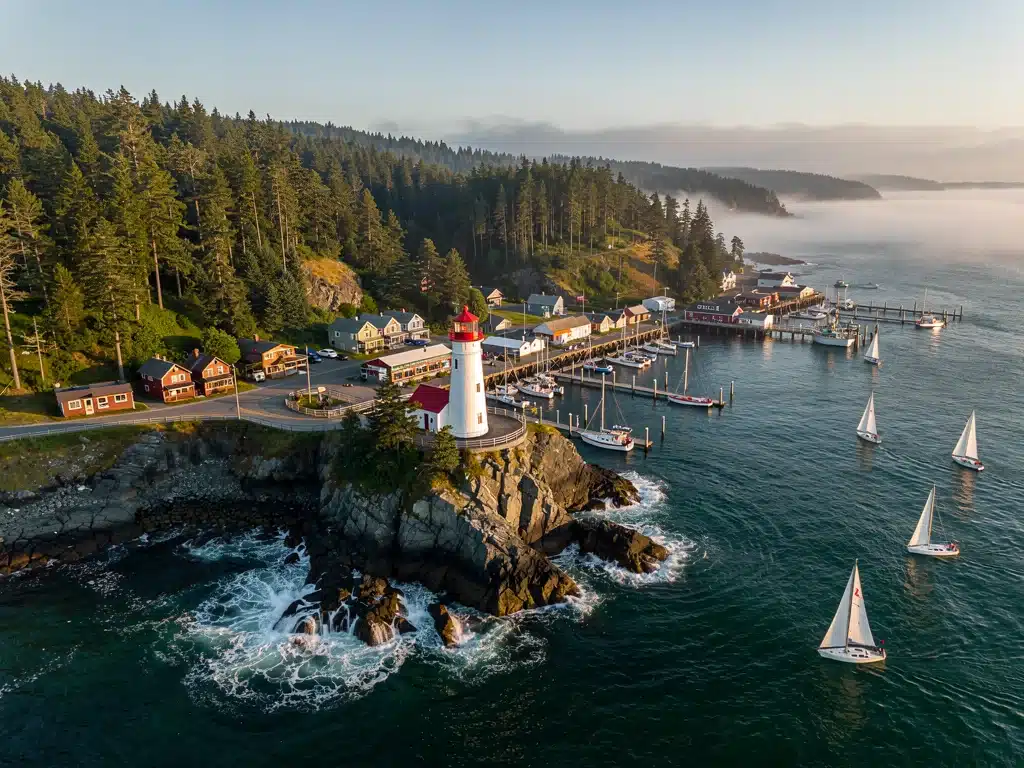
Coastal Maine’s MidCoast and DownEast regions are emerging as captivating slow travel destinations, characterized by their rugged beauty, charming fishing villages, and rich maritime heritage. This stretch of coastline offers an unparalleled opportunity for a mindful 2026 getaway, inviting travelers to embrace the rhythm of the ocean and the warmth of its communities, making it a key part of The Rise of ‘Slow Travel’: 4 Emerging US Destinations for a Mindful 2026 Getaway.
From exploring Acadia National Park’s dramatic landscapes to savoring fresh lobster rolls in a quiet harbor town, the emphasis is on unhurried discovery. The region’s commitment to preserving its natural environment and traditional way of life resonates deeply with the slow travel philosophy, offering authentic slow travel destinations US.
Visitors can engage in whale watching, lighthouse tours, or simply enjoy the tranquility of a coastal walk, connecting with the raw beauty of the Atlantic. This area provides a refreshing contrast to more bustling tourist spots, promising a genuinely restorative experience.
Unveiling Maine’s Authentic Charm
The authentic charm of Coastal Maine lies in its unpretentious nature and the genuine hospitality of its residents. It’s a place where history is alive in every fishing boat and weathered shingle, inviting visitors to step back in time and appreciate a simpler pace of life.
Opportunities to learn about traditional lobstering, explore historic maritime museums, or participate in local festivals offer a deep dive into the region’s unique culture. These experiences foster a sense of belonging and appreciation for the area’s heritage, enhancing the slow travel journey.
- Acadia National Park: Exploring scenic trails, Cadillac Mountain, and diverse wildlife.
- Lighthouse Tours: Discovering historic lighthouses and their captivating stories.
- Fresh Seafood: Indulging in locally sourced lobster, clams, and other delicacies.
- Coastal Walks: Enjoying serene strolls along rugged coastlines and sandy beaches.
For now, practical effects are concentrated in specific areas, while broader impacts depend on future decisions and compliance with new guidelines for sustainable tourism in these slow travel destinations US.
Emerging Destination 3: The Black Hills, South Dakota
The Black Hills of South Dakota are carving out a niche as an emerging slow travel destination, offering a blend of majestic natural landscapes, rich Native American history, and iconic American landmarks. This region provides a unique opportunity for a mindful 2026 getaway, allowing travelers to connect with the vastness of the prairie and the stories embedded in its ancient hills, playing a vital role in The Rise of ‘Slow Travel’: 4 Emerging US Destinations for a Mindful 2026 Getaway.
Beyond the well-known Mount Rushmore, visitors can explore Custer State Park, delve into the spiritual significance of Bear Butte, or discover the charm of historic Deadwood. The emphasis here is on appreciating the grandeur of the landscape and understanding the diverse cultural narratives that shape the area, making it a unique among slow travel destinations US.
The Black Hills encourage a slower pace, inviting contemplation and respect for its natural and historical treasures. It’s a destination that encourages deep reflection and a profound connection to the land and its past.
Connecting with History and Nature
The Black Hills offer a powerful connection to both natural grandeur and profound historical narratives. Travelers can spend days exploring the wilderness, encountering bison and other wildlife, or immersing themselves in the stories of the Lakota people and early American settlers.
Activities like scenic drives, guided tours of historical sites, and opportunities for stargazing provide a holistic experience. This region is ideal for those who wish to combine outdoor adventure with a deep dive into American history and culture, making it a compelling slow travel destination.
- Custer State Park: Wildlife viewing, scenic drives, and hiking among granite spires.
- Native American Heritage: Exploring historical sites and cultural centers.
- Geological Wonders: Discovering Wind Cave National Park and Jewel Cave National Monument.
- Stargazing: Experiencing the pristine night skies away from light pollution.
Direct quotes and attributed summaries show positions, responsibilities, and next steps for developing this region further as a slow travel hub. Independent experts assess the credibility of the information and likely outcome scenarios for its sustainable growth.
Emerging Destination 4: The Pacific Northwest’s San Juan Islands, Washington
The San Juan Islands in Washington State are emerging as an idyllic slow travel destination, offering a pristine marine environment, charming island communities, and abundant wildlife. This archipelago provides a perfect setting for a mindful 2026 getaway, inviting travelers to embrace island time and connect with the natural world in an unhurried fashion, solidifying its place in The Rise of ‘Slow Travel’: 4 Emerging US Destinations for a Mindful 2026 Getaway.
Accessible by ferry, these islands encourage exploration by bike, kayak, or on foot, minimizing environmental impact and maximizing immersive experiences. From whale watching in protected waters to discovering local art galleries and farm stands, the focus is on sustainable engagement and community support, highlighting it among the best slow travel destinations US.
The San Juans offer a serene escape where the pace of life slows down, allowing visitors to truly appreciate the beauty of the Pacific Northwest. It’s a place for quiet contemplation and respectful interaction with both nature and local culture.
Island Life and Wildlife Encounters
Island life in the San Juans is synonymous with tranquility and a deep connection to the marine environment. Travelers can embark on whale watching excursions to spot orcas, seals, and bald eagles, all while learning about conservation efforts.
Exploring the islands’ unique ecosystems, visiting local farms, or simply enjoying a sunset over the water provides a profound sense of peace. The emphasis on local produce and sustainable tourism practices further enhances the slow travel experience, making it a truly responsible choice.
- Whale Watching: Observing orcas and other marine wildlife in their natural habitat.
- Kayaking & Boating: Exploring secluded coves and inter-island channels.
- Farm-to-Ferry: Enjoying fresh, local produce and artisanal foods.
- Hiking & Biking: Discovering scenic trails and quiet country roads.
For now, practical effects are concentrated in specific areas, while broader impacts depend on future decisions and compliance with new guidelines for sustainable tourism in these slow travel destinations US.
The Future of Mindful Travel in the US
The trajectory of mindful travel in the United States points towards a future where depth, sustainability, and authentic connection become increasingly central to the travel experience. As more travelers seek to escape the frenetic pace of modern life, the demand for slow travel destinations US will continue to grow, shaping how tourism develops across the nation.
This shift encourages destinations to invest in sustainable infrastructure, support local economies, and preserve their unique cultural and natural assets. The focus will be on creating environments where visitors can truly unwind and engage meaningfully, contributing positively to the places they visit.
The concept of The Rise of ‘Slow Travel’: 4 Emerging US Destinations for a Mindful 2026 Getaway underscores a broader movement towards responsible tourism. This movement seeks to enrich both the traveler and the host community, fostering a more harmonious relationship between tourism and local life.
Driving Factors for Slow Travel Growth
Several factors are driving the sustained growth of slow travel, including a heightened awareness of environmental impact and a desire for more profound personal experiences. The pandemic also played a role, prompting many to re-evaluate their travel priorities and seek more intentional journeys.
Social media, paradoxically, also contributes by showcasing authentic, off-the-beaten-path experiences that inspire others to explore beyond mainstream tourism. This collective desire for meaningful engagement is propelling the slow travel movement forward, making slow travel destinations US increasingly popular.
- Environmental Consciousness: Growing awareness of tourism’s ecological footprint.
- Desire for Authenticity: Seeking genuine cultural experiences over superficial attractions.
- Wellness Focus: Prioritizing mental and physical well-being through unhurried travel.
- Support for Local Economies: Choosing destinations that benefit local communities directly.
Analysts highlight short-term signals that deserve attention before broader trends become clear regarding the future of slow travel destinations US. The evolving landscape suggests a promising future for this intentional form of tourism.
| Key Point | Brief Description |
|---|---|
| Slow Travel Definition | Intentional, immersive travel focusing on local culture and sustainability. |
| Emerging US Destinations | Finger Lakes, Coastal Maine, Black Hills, San Juan Islands for 2026. |
| Benefits of Slow Travel | Deeper cultural connection, reduced environmental impact, personal well-being. |
| Future Outlook | Continued growth and integration into mainstream tourism, fostering responsible practices. |
Frequently Asked Questions About Slow Travel
Slow travel emphasizes deeper immersion, longer stays, and genuine connection with local culture and environment, unlike traditional tourism’s faster pace and focus on multiple attractions. It prioritizes quality over quantity, fostering mindful engagement and sustainable practices, especially in slow travel destinations US.
These destinations—Finger Lakes, Coastal Maine, Black Hills, and San Juan Islands—offer unique combinations of natural beauty, rich local culture, and a commitment to sustainable practices. They provide diverse opportunities for unhurried exploration and authentic experiences, making them ideal for the rise of slow travel in the US.
Sustainable slow travel involves choosing eco-friendly accommodations, supporting local businesses, minimizing waste, and respecting local customs and environments. It also includes using public transportation or walking when possible, and engaging in activities that benefit the community, enhancing the overall slow travel destinations US experience.
You can expect immersive experiences like farm-to-table dining, local artisan workshops, guided nature walks, and genuine interactions with residents. The focus is on savoring moments, learning about the local way of life, and finding personal rejuvenation, integral to the philosophy of slow travel destinations US.
Not necessarily. While some aspects might involve unique experiences, longer stays can often lead to reduced daily costs compared to constant movement. The value lies in the depth of experience rather than luxury, making it accessible for various budgets seeking slow travel destinations US.
Looking Ahead
The emergence of these four US destinations as beacons for slow travel signals a significant evolution in the tourism industry. This trend reflects a broader societal shift towards conscious consumption and a desire for more meaningful experiences, impacting how travelers plan future journeys. The continued growth of The Rise of ‘Slow Travel’: 4 Emerging US Destinations for a Mindful 2026 Getaway will undoubtedly influence policy-making and infrastructure development in these regions, emphasizing sustainability and local engagement. It will be crucial to monitor how these destinations adapt to increasing interest while maintaining their authentic charm and commitment to mindful exploration.