Reclaiming Your Evenings: 6 Relaxing Rituals for Americans in 2026

Relaxing Rituals can help Americans create calmer evenings in 2026 through simple habits focused on rest, mindfulness, digital balance, and better sleep.
Relaxing Rituals for Americans explores practical ways to create a healthier transition between busy days and restorative nights.
The modern American lifestyle often makes it difficult to separate work from personal time. As 2026 progresses, intentional evening routines are becoming increasingly valuable.
Relaxing Rituals can create a clearer transition between daily responsibilities and personal recovery. Small changes may help reduce mental stimulation while creating more space for rest.
This guide presents six accessible practices that can fit different schedules. Each ritual focuses on helping people build evenings that feel calmer, more intentional, and restorative.
The Growing Need for Evening Disconnection in 2026
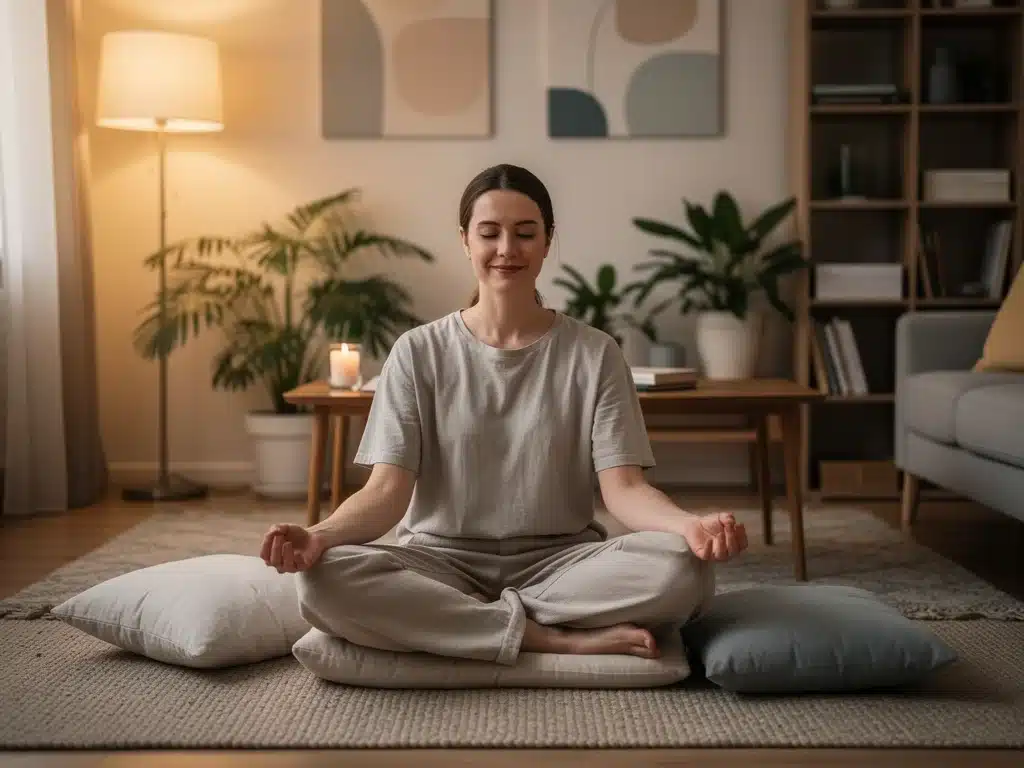
Constant digital connectivity has made genuine downtime increasingly difficult. Work messages, notifications, and social media can easily extend daytime pressures well into the evening.
Without a clear transition, the mind may remain engaged when the body is ready to slow down. Creating boundaries can make evening recovery feel more intentional.
For this reason, Relaxing Rituals are becoming an important part of conversations about personal wellness, healthier routines, and creating meaningful time away from daily demands.
The Impact of Digital Overload on Well-being
Screens and notifications can dominate evening routines, making it harder to transition from active work mode into personal time. Constant stimulation may also interfere with relaxation.
Reducing device use before bedtime can create a quieter environment and limit exposure to stimulating content. It also provides an opportunity to focus on offline activities.
Building Relaxing Rituals around intentional disconnection can help establish a clearer boundary between digital activity, personal recovery, and the preparation for sleep.
- Increased prevalence of insomnia and sleep disturbances.
- Higher rates of reported anxiety and mental fatigue.
- Reduced capacity for creative thinking and problem-solving.
- Strained personal relationships due to constant digital distractions.
Why Americans are Prioritizing Evening Routines Now
More people are recognizing that sustained productivity also depends on periods of recovery. Evenings offer an important opportunity to step away from responsibilities and recharge.
This perspective encourages healthier integration between professional demands and personal well-being. Instead of staying constantly occupied, individuals can reserve meaningful time for rest and leisure.
Greater attention to self-care has also increased interest in Relaxing Rituals. These practices provide simple ways to make personal time more deliberate and restorative.
Ritual 1: The Digital Sunset – Unplugging for Peace
One of the most practical Relaxing Rituals is a digital sunset, which involves choosing a specific time to step away from phones, tablets, computers, and other screens.
Disconnecting around 60 to 90 minutes before bedtime can create space for quieter activities. It also establishes a clear boundary between digital engagement and evening rest.
The adjustment may feel difficult at first, especially for frequent device users. However, a consistent schedule can gradually make screen-free evening time feel more natural.
Establishing a No-Screen Zone and Time
Designating areas such as the bedroom as screen-free spaces can reinforce a digital sunset. Physical boundaries make it easier to separate relaxation from work and online activity.
Choosing a consistent shutdown time can also simplify the routine. Family members or colleagues can be informed of the boundary so expectations remain clear.
People who find immediate disconnection difficult can reduce screen use gradually. The objective is to create a sustainable habit rather than an overly restrictive routine.
- Set a clear, non-negotiable time for device shutdown.
- Charge devices outside the bedroom to prevent temptation.
- Inform friends and family about your digital boundaries.
- Replace screen time with alternative relaxing activities.
Benefits of a Digital Detox Before Bed
Stepping away from digital devices creates more room for reflection, conversation, reading, or other low-stimulation activities. It can also reduce the flow of information competing for attention.
Screen-free time may encourage greater presence with family members or personal hobbies. This makes the evening feel less connected to work, notifications, and social media.
Among the various Relaxing Rituals, a digital detox is especially easy to customize. The schedule can be adapted to individual routines and household needs.
Ritual 2: Mindful Movement – Gentle Exercise for Relaxation
Gentle physical activity can provide a natural transition between an active day and a calmer evening. The focus should remain on comfortable movement rather than intense exercise.
Stretching, light yoga, or an unhurried walk can help release physical tension. These activities can be incorporated without requiring complex equipment or lengthy workout sessions.
Including mindful movement among your Relaxing Rituals can make evenings feel more balanced while creating dedicated time to reconnect with your body.
Yoga and Stretching for Evening Calm
A brief 10-to-15-minute stretching or yoga session can fit easily into an evening routine. Slow movements and steady breathing help keep the activity gentle and controlled.
Areas such as the neck, shoulders, back, and hips often accumulate tension throughout the day. Gentle movements targeting these areas may provide greater physical comfort.
This practice does not require advanced flexibility or yoga experience. Simple movements performed consistently can become one of the easiest Relaxing Rituals to maintain.
The Power of a Pre-Bedtime Walk
A short neighborhood walk can provide a simple transition from daily responsibilities to evening downtime. Fresh air and a change of surroundings can make the routine feel refreshing.
Walking without checking a phone or listening to demanding content can turn the activity into a mindful experience. Attention can instead remain on movement and surroundings.
Because it requires little preparation, an evening walk can become one of the most accessible Relaxing Rituals for people with otherwise busy schedules.
Ritual 3: The Art of Journaling – Processing the Day
Journaling provides a dedicated place to organize thoughts, experiences, and emotions from the day. Writing them down can prevent unfinished ideas from dominating evening attention.
A session does not need to be extensive. Spending 10 to 15 minutes recording challenges, accomplishments, gratitude, or future plans can establish a useful routine.
Among Relaxing Rituals, journaling is particularly flexible because there are no strict rules. The practice can be adapted to individual needs and preferences.
Expressive Writing for Stress Relief
Expressive writing involves putting personal thoughts and emotions onto paper without worrying about perfect structure. The emphasis is on reflection rather than producing polished writing.
The practice can create a private space to acknowledge frustrations, recognize progress, and consider important experiences. Writing may also make complicated thoughts easier to organize.
When practiced regularly, expressive journaling can become one of several Relaxing Rituals used to create greater emotional separation between the day and bedtime.
Gratitude Practice for a Positive Mindset
Gratitude journaling adds a positive element to an evening writing routine. Recording specific moments of appreciation can encourage people to notice experiences they might otherwise overlook.
The exercise does not need to involve major events. Everyday interactions, accomplishments, comfortable moments, or enjoyable experiences can all become meaningful entries.
Including gratitude within Relaxing Rituals provides a simple way to close the day with reflection while maintaining a routine that requires only a few minutes.
- List three specific things you are grateful for each day.
- Reflect on how these things positively impacted your day.
- Notice the cumulative effect of gratitude over time.
Ritual 4: Sensory Soothing – Engaging the Senses for Calm
The surrounding environment can influence how easily people shift into evening mode. Lighting, sound, scent, and texture can all contribute to a calmer atmosphere at home.
Soft lighting, comfortable fabrics, familiar scents, and gentle sounds can help distinguish evening relaxation from the brighter and busier conditions associated with daytime activity.
These environmental adjustments can become effective Relaxing Rituals because they require little effort once incorporated into the normal setup of a room.
Aromatherapy and Ambient Lighting
Scent can play a noticeable role in the atmosphere of a room. Lavender, chamomile, frankincense, or other personally enjoyable aromas may complement an evening relaxation routine.
Lighting can be adjusted at the same time. Replacing bright overhead lights with softer lamps or other warm lighting can create a more comfortable evening environment.
Combining familiar scents with gentle lighting creates simple sensory Relaxing Rituals. The goal is to develop environmental cues associated with slowing down and resting.
Comforting Sounds and Textures
Soft instrumental music, nature sounds, or white noise can provide a consistent background for relaxation. Choose audio that feels calming rather than demanding or distracting.
Comforting physical textures can contribute to the same atmosphere. Soft pajamas, blankets, pillows, or warm towels can make the environment feel more inviting.
Combining sound and touch creates layered Relaxing Rituals that can be personalized easily. Preferences will vary, so the most comfortable options should guide the routine.
Ritual 5: Mindful Consumption – Nourishing Body and Soul
Evening choices involving food, drinks, and media can influence the atmosphere before bedtime. Mindful consumption involves making deliberate choices rather than following habits automatically.
This may mean choosing a lighter meal or avoiding content that feels excessively stimulating late at night. The objective is to support a calmer transition toward rest.
When combined with other Relaxing Rituals, intentional consumption can help create an evening routine in which different habits work together rather than compete for attention.
Light Meals and Hydration
Lighter evening meals may feel more comfortable than large portions close to bedtime. Lean proteins, vegetables, grains, and other familiar foods can form balanced options.
Hydration remains important, although drinking large quantities immediately before bed may lead to nighttime interruptions. Moderation can help maintain comfort throughout the evening.
Some people also include caffeine-free herbal beverages in their Relaxing Rituals. Chamomile, peppermint, or another preferred tea can provide a simple evening beverage option.
Curated Media and Reading Choices
Media choices can influence how stimulating an evening feels. Intense news, work-related material, or suspenseful content may not suit someone trying to create a quieter routine.
Lighter fiction, documentaries, magazines, or other enjoyable content can provide entertainment without requiring constant engagement. Personal preference remains important when selecting suitable material.
Reading a physical book can also complement other Relaxing Rituals, providing an offline activity that replaces some of the time normally spent using digital devices.
Ritual 6: Reflective Practice – Reviewing and Planning
A short period of reflection can help create a sense of closure at the end of the day. The objective is to review important moments without turning bedtime into another work session.
Briefly identifying completed tasks and tomorrow’s main priorities can reduce the need to keep mentally rehearsing responsibilities. Keeping the process simple prevents unnecessary pressure.
As one of the final Relaxing Rituals of the evening, reflection can create a clear stopping point before attention shifts completely toward personal rest.
Evening Review and Tomorrow’s Priorities

Take several minutes to review the day and acknowledge what was completed. Recognizing even small accomplishments can create a stronger sense that the day’s responsibilities are finished.
Next, identify one to three priorities for tomorrow rather than building an extensive task list. A brief outline can provide direction without introducing additional complexity.
This approach allows planning to complement Relaxing Rituals instead of disrupting them. Once priorities are recorded, remaining tasks can be left for the following day.
Setting Intentions for a Restful Night
A simple intention can mark the final transition into nighttime. This might involve deciding to stop thinking about work or focusing attention on preparing for restful sleep.
Some people prefer a brief affirmation, while others may use visualization or several slow breaths. The method can remain simple and personally meaningful.
Intentional closure works well alongside other Relaxing Rituals because it provides a recognizable endpoint, reinforcing the idea that the active part of the day has finished.
- Affirm your intention for deep and restorative sleep.
- Visualize waking up feeling refreshed and energized.
- Release any lingering worries or unfinished tasks until morning.
| Ritual | Benefit |
|---|---|
| Digital Sunset | Reduces blue light exposure, improves sleep quality. |
| Mindful Movement | Releases tension, promotes physical relaxation. |
| Journaling | Processes thoughts, reduces mental clutter. |
| Sensory Soothing | Creates calming environment, signals relaxation. |
Frequently Asked Questions About Evening Rituals
Evening rituals are crucial in 2026 to combat the pervasive stress and digital overload common in modern American life. They provide a structured way to disconnect, de-stress, and prepare the body and mind for restorative sleep, significantly improving overall well-being and mental health.
Even 30 to 60 minutes dedicated to a combination of these rituals can make a significant difference. The key is consistency and intentionality, rather than duration. Start with short periods and gradually extend them as you integrate Relaxing Rituals into your routine.
Yes, absolutely. By reducing mental stimulation, promoting physical relaxation, and signaling to your body that it’s time to rest, these rituals can profoundly improve sleep quality. They help regulate your circadian rhythm and reduce the common barriers to falling asleep and staying asleep.
The ‘Digital Sunset’ ritual is specifically designed to combat digital stress by setting a clear boundary for screen time before bed. This helps reduce blue light exposure and allows your mind to unwind from constant notifications and information overload, making it one of the most practical Relaxing Rituals.
Even incorporating one or two short rituals can be beneficial. Prioritize the ones that resonate most with you and fit into your schedule. A 10-minute mindful stretch or a brief journaling session can still provide significant benefits as part of your Relaxing Rituals.
Looking Ahead: Sustaining Evening Wellness
Relaxing Rituals do not have to be complicated to become meaningful parts of an evening. Consistent, manageable habits are often easier to integrate into everyday life.
Different combinations can work for different schedules, whether they include reading, movement, journaling, reduced screen time, or creating a more comfortable home environment.
The long-term goal is to create evenings that support personal recovery and balance. Sustainable routines can make downtime feel intentional rather than simply leftover time.