Is Your Home Ready for 2026 Smart Wellness Integration?
Latest developments on Is Your Home Ready for the 2026 Smart Wellness Integration? A 3-Step Guide, with key facts, verified sources and what readers need to monitor next in Estados Unidos, presented clearly in Inglês (Estados Unidos) (en-US).
Is Your Home Ready for the 2026 Smart Wellness Integration? A 3-Step Guide is shaping today’s agenda with new details released by officials and industry sources. This update prioritizes what changed, why it matters and what to watch next, in a straightforward news format.
The Dawn of Smart Wellness Integration in Homes
The integration of smart wellness technologies into residential spaces is no longer a futuristic concept but an imminent reality, with significant advancements anticipated by 2026. This shift redefines how homes support occupant health and well-being, moving beyond mere convenience to active health management.
Homeowners in the United States are increasingly seeking environments that proactively contribute to their physical and mental health. This trend is driving innovation in smart home devices, focusing on air quality, sleep optimization, lighting, and even personalized fitness routines.
Understanding the foundational elements of this integration is crucial for anyone looking to future-proof their living space. The forthcoming years will see a proliferation of interconnected systems designed to create truly responsive and health-centric homes.
Step 1: Assessing Your Current Home Health Ecosystem
Before embarking on upgrades, a thorough assessment of your existing home infrastructure is the critical first step. This involves evaluating current smart devices, connectivity, and any existing wellness features to identify gaps and opportunities for improvement.
Many homes already possess rudimentary smart capabilities, such as smart thermostats or voice assistants, which can serve as a foundation. The challenge lies in integrating these disparate systems into a cohesive smart wellness framework that operates seamlessly.
A comprehensive audit should cover everything from network stability to the compatibility of devices. This initial phase is vital for understanding what you have and what you need to achieve effective smart wellness integration by 2026.
Evaluating Smart Device Compatibility
The fragmented landscape of smart home technology often presents compatibility issues, making it difficult for devices from different manufacturers to communicate effectively. Assessing whether your current devices adhere to open standards or widely adopted ecosystems is paramount.
Proprietary systems can limit future expansion and integration, creating bottlenecks in your smart wellness journey. Prioritizing devices that support universal protocols will ensure a more flexible and scalable home health ecosystem.
This evaluation will help identify areas where new hardware or software bridges might be necessary. It is about building a robust and interconnected system, not just adding isolated gadgets.
- Check device protocols: Wi-Fi, Zigbee, Z-Wave, Thread, Matter.
- Review manufacturer ecosystems: Apple HomeKit, Google Home, Amazon Alexa.
- Assess API availability for custom integrations.
Step 2: Embracing Key Wellness Technologies for 2026
The next step involves strategically adopting key wellness technologies that will define the smart home landscape by 2026. These technologies focus on environmental control, personalized health monitoring, and proactive well-being support.
From advanced air purification systems to circadian lighting and sleep trackers, the market is brimming with innovations designed to enhance occupant health. Selecting the right technologies requires understanding their benefits and how they contribute to a holistic wellness environment.
Investing in these areas now will position your home at the forefront of the smart wellness movement. It is about creating an environment that actively promotes a healthier lifestyle for all inhabitants.
Advanced Air and Water Quality Management
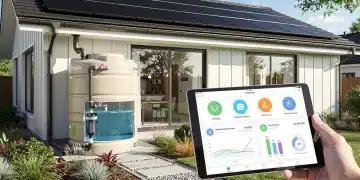
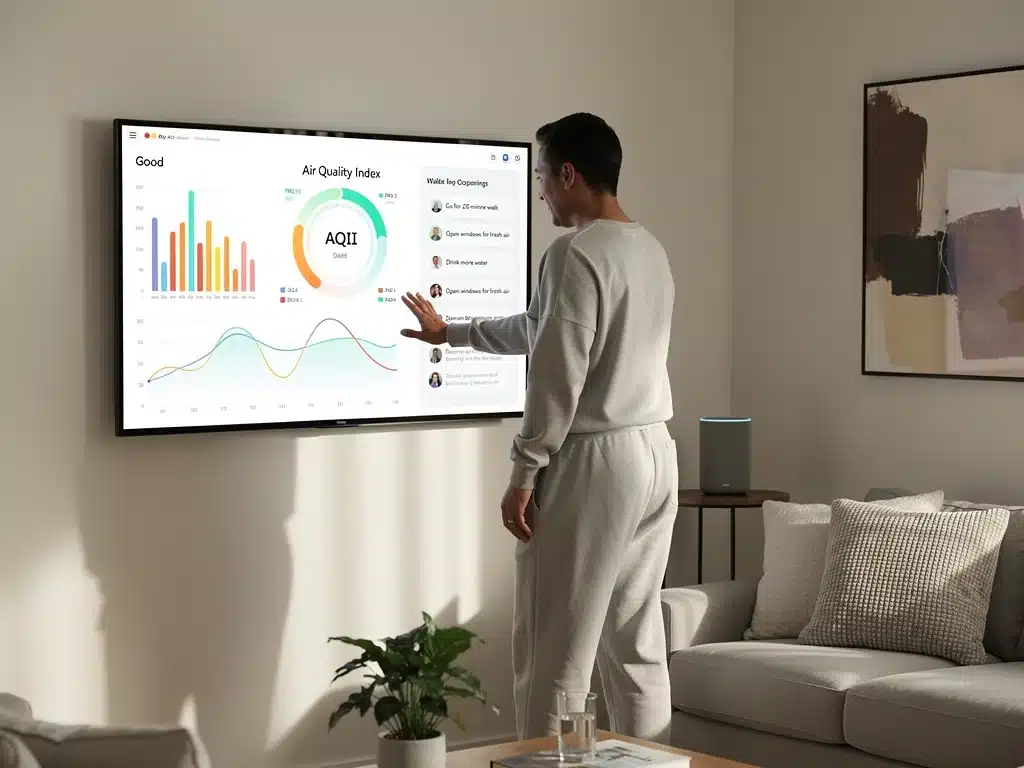
Indoor air quality is a significant determinant of health, and 2026 smart homes will feature sophisticated monitoring and purification systems. These systems go beyond simple filters, actively detecting pollutants, allergens, and VOCs, and adjusting ventilation accordingly.
Similarly, smart water filtration and monitoring ensure access to clean, safe drinking water, with sensors detecting impurities and alerting homeowners to potential issues. This proactive approach to environmental health is a cornerstone of smart wellness integration.
These technologies provide real-time data and automated responses, creating a continuously optimized living space. Ensuring your home has robust air and water quality management is a non-negotiable aspect of preparing for 2026 smart wellness integration.
- Implement smart air purifiers with real-time pollutant detection.
- Install smart water filters with quality monitoring and alerts.
- Integrate smart ventilation systems that respond to indoor conditions.
Smart lighting systems that mimic natural light cycles are crucial for regulating circadian rhythms, improving sleep, and boosting mood. By 2026, these systems will be highly personalized, adapting to individual preferences and daily routines.
Beyond lighting, soundscapes and aromatherapy diffusers can contribute to a calming or energizing atmosphere, controlled by smart systems. These elements combine to create a truly immersive wellness experience within the home.
Integrating these sensory technologies enhances the overall living experience, making the home a sanctuary for well-being. This holistic approach is central to achieving comprehensive smart wellness integration.
Step 3: Building a Seamless and Secure Smart Wellness Network
The final step focuses on establishing a robust, secure, and seamlessly integrated network that underpins all smart wellness technologies. A strong network is essential for reliable device communication and data privacy, which are paramount in a health-focused smart home.
This involves upgrading your home network infrastructure, implementing strong security protocols, and selecting a central hub or platform that can orchestrate all your smart wellness devices. Without a solid foundation, even the most advanced technologies will underperform.
Ensuring data privacy and cybersecurity is equally important, given the sensitive nature of health-related data collected by smart wellness devices. Homeowners must prioritize platforms that offer robust encryption and user control over their information.
Optimizing Home Network Infrastructure
A high-speed, reliable home network is the backbone of any smart home, especially one focused on wellness. Upgrading to Wi-Fi 6 or newer standards, and potentially implementing a mesh Wi-Fi system, can ensure all devices have stable connectivity.
Wired connections for stationary devices can further enhance reliability and reduce wireless congestion. This optimization is crucial for supporting the increasing number of interconnected devices involved in smart wellness integration.
A well-optimized network minimizes latency and dropped connections, ensuring that your smart wellness systems respond instantly and consistently. This foundational upgrade is non-negotiable for a truly smart and responsive home.
- Upgrade to Wi-Fi 6/6E or a mesh Wi-Fi system.
- Utilize wired Ethernet for stationary smart hubs and devices.
- Ensure adequate bandwidth for all connected wellness devices.
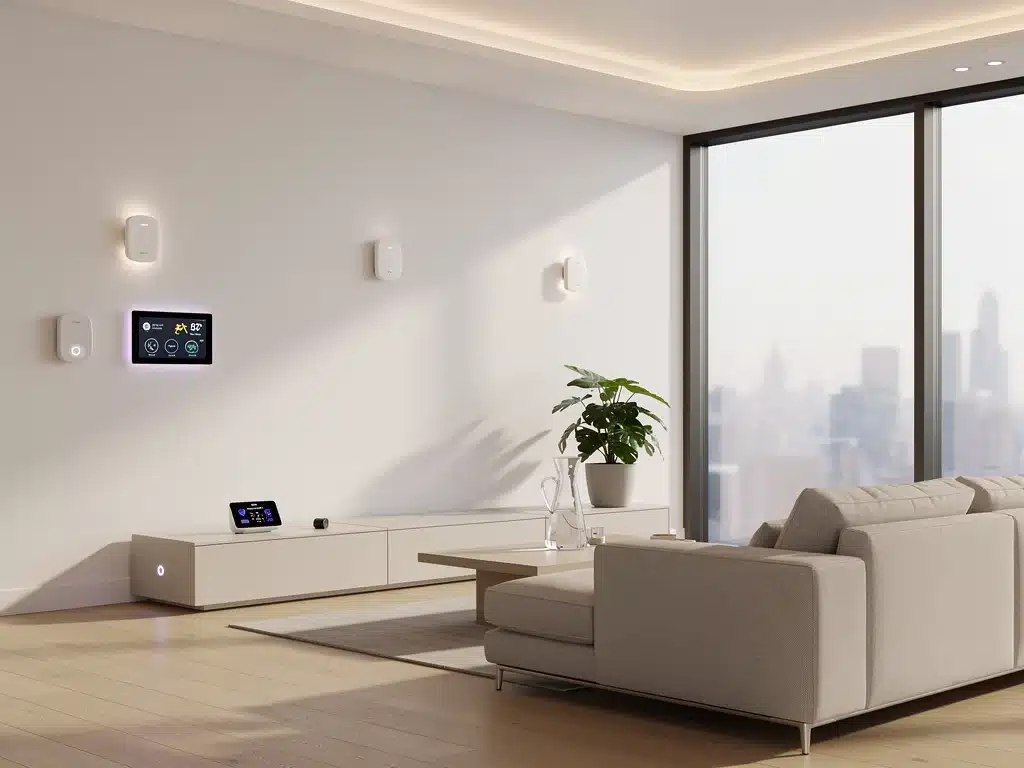
Choosing a central smart home hub or platform that offers broad compatibility and robust security features is essential for orchestrating your smart wellness devices. Platforms like Apple HomeKit, Google Home, or Amazon Alexa, when properly configured, can provide a unified control interface.
Beyond mainstream options, specialized wellness-focused platforms are emerging, offering deeper integration with health applications and services. Researching and selecting a platform that aligns with your privacy preferences and future expansion plans is a critical decision.
This central control point simplifies management and automates routines, allowing your smart wellness systems to work in harmony. A well-chosen platform is key to unlocking the full potential of your smart wellness integration.
Security and Privacy in Smart Wellness Homes
As homes become more integrated with personal health data, the importance of robust security and privacy measures cannot be overstated. Homeowners must be diligent in securing their networks and understanding the data collection policies of their smart devices.
Implementing strong passwords, two-factor authentication, and regularly updating device firmware are basic but crucial steps. Beyond that, choosing manufacturers with a strong reputation for data privacy and transparent policies is advisable.
Educating oneself on potential vulnerabilities and best practices for smart home security is an ongoing process. Protecting your personal and health data is as important as enjoying the benefits of smart wellness integration.
The Future of Home Health and Wellness
The trajectory towards 2026 indicates a future where homes are not just living spaces but active participants in maintaining and improving occupant health. This comprehensive smart wellness integration will offer unprecedented levels of comfort, safety, and personalized care.
From predictive maintenance of health-related systems to AI-driven personalized wellness recommendations, the possibilities are vast. Homes will adapt dynamically to individual needs, creating truly responsive environments.
Preparing your home now for these advancements is an investment in future well-being. The proactive steps taken today will ensure your home is ready for the transformative era of smart wellness integration.
| Key Preparation Step | Brief Description |
|---|---|
| Assess Current Ecosystem | Evaluate existing smart devices and network for compatibility and gaps. |
| Embrace Key Technologies | Invest in advanced air/water quality, lighting, and sleep tech. |
| Build Seamless Network | Optimize network, select a central hub, and ensure security. |
| Prioritize Security | Implement strong passwords, updates, and privacy-focused devices. |
Frequently Asked Questions About Smart Wellness Integration
Smart wellness integration refers to the seamless connection of various smart home technologies to proactively monitor, manage, and enhance the physical and mental well-being of occupants. This goes beyond basic automation to create a health-centric living environment.
By 2026, industry experts anticipate significant advancements in interoperability standards, AI-driven personalization, and the widespread adoption of advanced health monitoring devices within homes. This convergence will make comprehensive smart wellness integration more accessible and effective.
Key technologies include advanced air and water purification systems, circadian rhythm lighting, smart sleep tracking devices, and environmental sensors for temperature, humidity, and noise control. These collectively contribute to a holistic wellness ecosystem.
Network security is critically important. Smart wellness devices often collect sensitive personal and health data, making robust encryption, strong passwords, and regular software updates essential to protect privacy and prevent unauthorized access or data breaches.
Yes, many existing smart homes can be upgraded. The process involves assessing current infrastructure, identifying compatible wellness devices, optimizing network performance, and potentially integrating a central hub to create a unified smart wellness integration system.
Looking Ahead: The Evolving Landscape of Home Wellness
The push towards comprehensive smart wellness integration by 2026 represents a pivotal moment in residential technology. Homeowners now have the opportunity to proactively shape their living environments to foster better health and well-being. This ongoing development indicates a future where homes are intelligent, adaptive, and deeply attuned to human needs, moving beyond simple automation to genuine health partnership. Staying informed on emerging standards and device innovations will be key to maximizing the benefits of this transformative trend in smart wellness integration.