Sustainable Home Cleaning: 3 Eco-Friendly Solutions Americans Are Embracing in 2026
Latest developments on Sustainable Home Cleaning: 3 Eco-Friendly Solutions Americans Are Embracing in 2026, with key facts, verified sources and what readers need to monitor next in Estados Unidos, presented clearly in Inglês (Estados Unidos) (en-US).
Sustainable Home Cleaning: 3 Eco-Friendly Solutions Americans Are Embracing in 2026 is shaping today’s agenda with new details released by officials and industry sources. This update prioritizes what changed, why it matters and what to watch next, in a straightforward news format.
The growing demand for healthier living environments and reduced ecological footprints has propelled a significant shift in consumer behavior. Americans are actively seeking alternatives to traditional chemical-laden cleaning products.
The Rise of Sustainable Home Cleaning in 2026
The landscape of home maintenance is undergoing a profound transformation, with sustainability now a primary driver. Consumers are increasingly aware of the environmental and health impacts associated with conventional cleaning agents.
This awareness is not merely a fleeting trend but a fundamental re-evaluation of household practices. The market is responding with innovative products and approaches that align with these evolving values.
Reports from environmental agencies and consumer advocacy groups highlight a sustained increase in the adoption of eco-friendly cleaning solutions. This indicates a long-term commitment to greener living among American households.
The shift towards sustainable home cleaning: 3 eco-friendly solutions Americans are embracing in 2026 reflects a broader societal movement. This movement prioritizes health, environmental stewardship, and ethical consumption.
Consumer-Driven Demand for Green Alternatives
A recent survey by the Environmental Protection Agency (EPA) revealed that over 70% of American households are actively looking for or already using green cleaning products. This statistic underscores the significant market demand.
This demand is fueled by concerns over indoor air quality, potential allergens, and the long-term effects of chemical exposure. Families are seeking peace of mind through safer, more natural alternatives for their homes.
Furthermore, social media and educational campaigns have played a crucial role in disseminating information about the benefits of sustainable practices. This has empowered consumers to make more informed choices.
- Increased awareness of chemical hazards in traditional cleaners.
- Desire for healthier indoor environments, especially for children and pets.
- Growing understanding of environmental pollution caused by cleaning product runoff.
- Influence of health and wellness trends promoting natural living.
The market for eco-friendly cleaning solutions is projected to expand significantly in the coming years, according to industry analysts. This growth is a direct response to the powerful consumer demand.
Embracing DIY Natural Cleaners: A Top Trend
One of the most prominent eco-friendly solutions Americans are embracing in 2026 is the widespread adoption of do-it-yourself (DIY) natural cleaning products. This approach offers cost-effectiveness and complete control over ingredients.
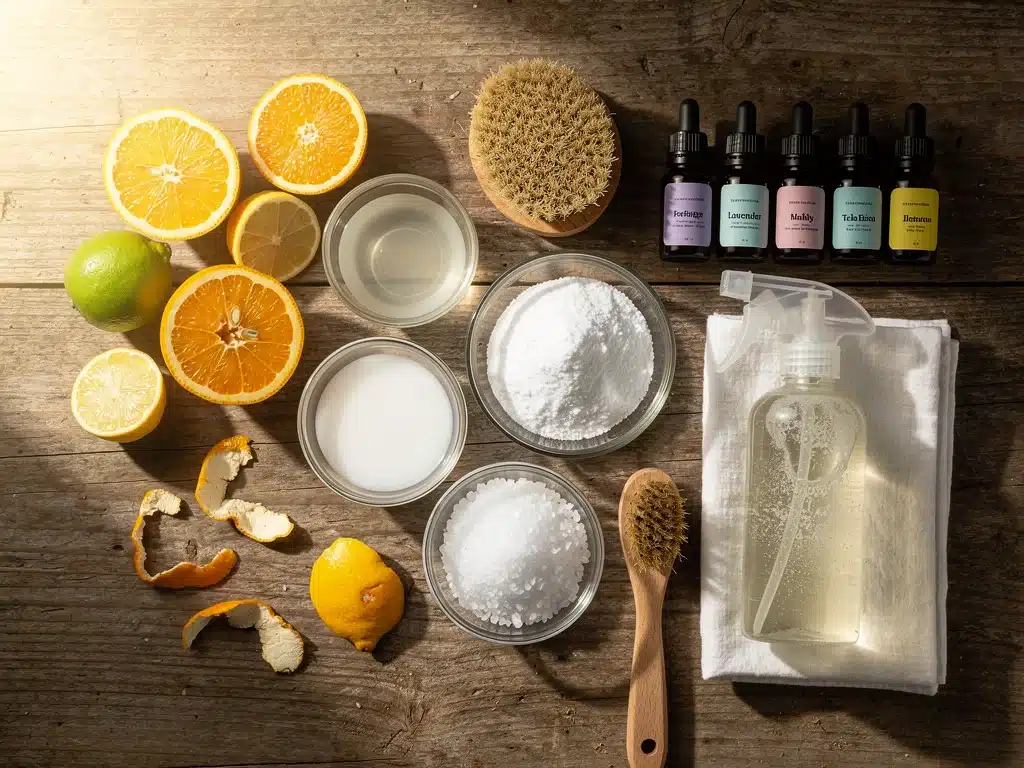
Households are increasingly turning to common pantry staples like vinegar, baking soda, lemon juice, and essential oils to formulate their own cleaning concoctions. This trend signifies a return to simpler, more traditional cleaning methods.
The simplicity and effectiveness of these homemade solutions resonate deeply with consumers. They provide a transparent alternative to complex, industrially produced cleaners with unpronounceable ingredients.
The Power of Everyday Ingredients
Baking soda, a mild abrasive and deodorizer, is a staple in many DIY cleaning recipes. It effectively tackles grime, absorbs odors, and gently cleans various surfaces without harsh chemicals.
White vinegar, known for its acidic properties, acts as a powerful disinfectant and degreaser. Its versatility makes it ideal for cleaning windows, floors, and removing hard water stains, leaving surfaces sparkling clean.
Lemon juice, with its natural acidity and refreshing scent, is another favorite for cutting through grease and brightening surfaces. Essential oils like tea tree, lavender, and eucalyptus add natural antibacterial properties and pleasant aromas.
- Vinegar: Excellent for disinfecting, degreasing, and streak-free window cleaning.
- Baking Soda: Ideal for scrubbing, deodorizing, and absorbing spills.
- Lemon Juice: Effective for stain removal, brightening, and natural scent.
- Essential Oils: Provide natural antimicrobial benefits and pleasant fragrances.
The accessibility and affordability of these ingredients make DIY natural cleaners an attractive option for many. This trend empowers individuals to take charge of their home’s cleanliness in an environmentally responsible way.
Concentrated Formulas and Refill Systems
Another significant shift in sustainable home cleaning: 3 eco-friendly solutions Americans are embracing in 2026 involves concentrated cleaning formulas and innovative refill systems. These solutions drastically reduce plastic waste and shipping emissions.
Instead of purchasing new bottles of diluted cleaners, consumers are opting for highly concentrated solutions that are mixed with water at home. This minimizes the volume of product needed and the associated packaging.
Companies are also introducing subscription-based refill services, where customers receive concentrated pods or tablets. This eliminates the need for single-use plastic bottles entirely, fostering a circular economy model.
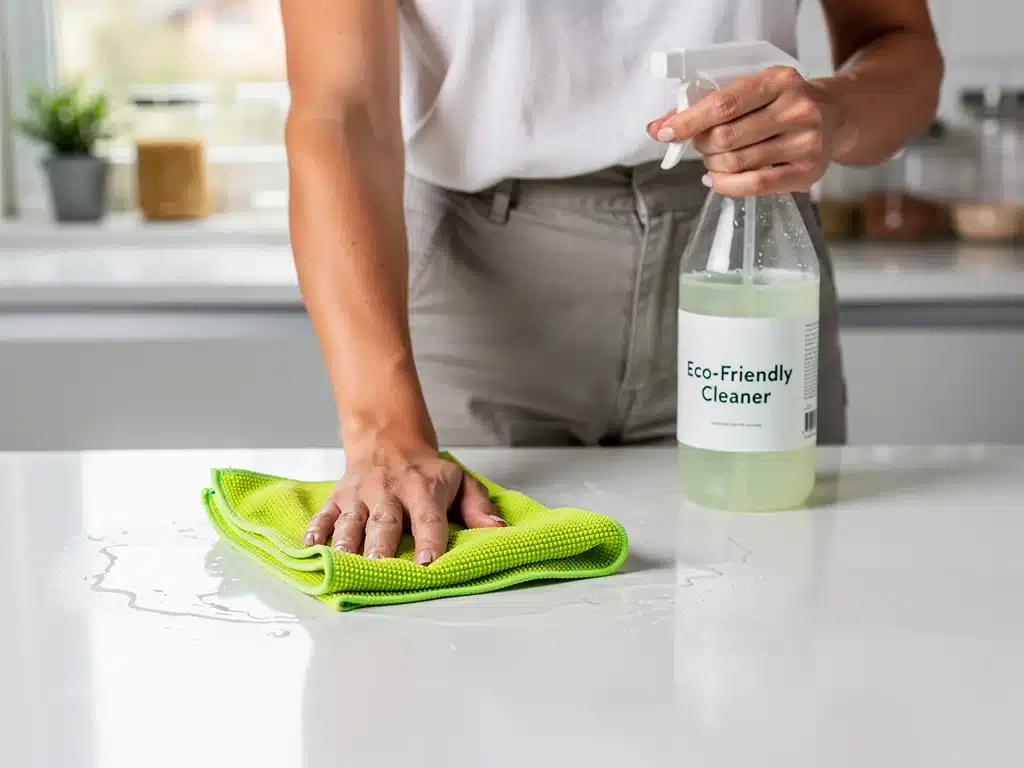
This approach addresses the critical issue of plastic pollution, a major environmental concern. By reducing packaging, these systems contribute directly to a cleaner planet and a more sustainable future.
Impact on Waste Reduction and Carbon Footprint
The adoption of concentrated cleaners and refill systems has a measurable positive impact on waste reduction. Fewer plastic bottles end up in landfills or polluting oceans.
Furthermore, shipping concentrated products requires less space and weight, leading to reduced fuel consumption and lower carbon emissions. This holistic benefit extends beyond just the household.
Brands that offer these solutions are gaining significant market share, demonstrating that consumers are willing to invest in products that align with their environmental values. This also signals a change in industry practices.
- Significant reduction in single-use plastic waste from cleaning products.
- Lower carbon footprint due to reduced shipping weight and volume.
- Cost savings for consumers over time by purchasing refills instead of new bottles.
- Encourages a circular economy model in the cleaning product industry.
The convenience and environmental benefits of concentrated formulas and refill systems are undeniable. They represent a smart, forward-thinking approach to sustainable home cleaning: 3 eco-friendly solutions Americans are embracing in 2026.
Advanced Bioremediation Cleaners Gain Traction
The third major eco-friendly solution gaining significant traction among Americans in 2026 is the use of advanced bioremediation cleaners. These innovative products utilize beneficial microorganisms to break down dirt and grime.
Unlike traditional chemical cleaners that simply remove dirt, bioremediation cleaners actively consume and neutralize organic matter, odors, and stains. This results in a deeper, longer-lasting clean that is also safer for the environment.
These cleaners are particularly effective for tackling tough organic stains and odors in bathrooms, kitchens, and pet areas. Their microscopic action continues to clean long after initial application, offering sustained benefits.
How Bioremediation Technology Works
Bioremediation cleaners contain specialized enzymes and microbes that target specific types of organic waste. These microorganisms produce enzymes that break down fats, proteins, cellulose, and starches into smaller, harmless compounds.
This process is entirely natural and non-toxic, making these cleaners safe for use around children, pets, and individuals with chemical sensitivities. They also help maintain healthy septic systems and drain lines.
The science behind bioremediation is becoming more accessible and affordable, leading to its increased presence in mainstream cleaning products. This represents a significant leap in cleaning technology.
- Utilizes natural microorganisms to break down organic waste.
- Provides a deeper and longer-lasting clean compared to traditional methods.
- Safe for families, pets, and the environment, being non-toxic and biodegradable.
- Effective in neutralizing odors and tackling stubborn organic stains.
As research and development in biotechnology advance, bioremediation cleaners are poised to become an even more integral part of sustainable home cleaning: 3 eco-friendly solutions Americans are embracing in 2026.
The Broader Impact on Household Health
The widespread adoption of sustainable home cleaning: 3 eco-friendly solutions Americans are embracing in 2026 extends beyond environmental benefits to significantly impact household health. Reducing exposure to harsh chemicals is a primary concern for many families.
Traditional cleaning products often contain volatile organic compounds (VOCs), phthalates, and other respiratory irritants. These can contribute to allergies, asthma, and other health issues, especially in poorly ventilated spaces.
By switching to natural and bioremediation alternatives, households are creating safer indoor environments. This proactive step contributes to improved air quality and overall well-being for all occupants.
Minimizing Chemical Exposure
A growing body of scientific evidence links exposure to certain cleaning chemicals with various health problems. This research is driving consumers to seek out safer alternatives.
Children and pets are particularly vulnerable to chemical residues on surfaces and in the air. Eco-friendly solutions offer a protective measure against these potential hazards, ensuring a healthier home for everyone.
Moreover, the pleasant, natural scents derived from essential oils or the absence of strong chemical odors themselves contribute to a more comfortable and less irritating cleaning experience. This enhances overall household comfort.
- Reduced risk of respiratory issues like asthma and allergies.
- Elimination of harmful VOCs and other chemical irritants from indoor air.
- Safer environment for children and pets who are more sensitive to chemicals.
- Improved overall well-being and peace of mind for residents.
The move towards eco-friendly cleaning is not just an environmental choice; it is a health investment. Americans are prioritizing their families’ well-being by choosing sustainable home cleaning: 3 eco-friendly solutions Americans are embracing in 2026.
Economic Benefits of Green Cleaning
Beyond environmental and health advantages, the shift towards sustainable home cleaning: 3 eco-friendly solutions Americans are embracing in 2026 also brings notable economic benefits. These solutions can lead to significant long-term savings for households.
DIY cleaning solutions, using inexpensive ingredients like vinegar and baking soda, are inherently more cost-effective than purchasing specialized commercial products. The initial investment is minimal, with substantial savings over time.
Similarly, concentrated formulas and refill systems, while sometimes having a slightly higher upfront cost, prove to be more economical in the long run. Consumers pay less per use and reduce the frequency of purchases.
These economic incentives further encourage adoption, making sustainable practices accessible to a broader demographic. The financial aspect acts as a powerful motivator for change.
Long-Term Savings and Smart Spending
Purchasing raw ingredients for DIY cleaners often costs a fraction of what pre-made specialty cleaners do. This allows households to stretch their cleaning budget further without compromising effectiveness.
Refill systems reduce packaging costs, which are typically passed on to the consumer in traditional products. By cutting out this middleman, consumers benefit from lower per-unit prices for their cleaning agents.
Furthermore, the longevity of bioremediation cleaners, which provide a sustained cleaning action, can potentially reduce the frequency of deep cleaning or the need for multiple specialized products. This streamlines the cleaning process and saves money.
- Lower direct costs for DIY ingredients compared to commercial cleaners.
- Reduced expenditure on packaging with concentrated and refillable options.
- Potential for fewer specialized products needed due to multi-purpose eco-cleaners.
- Overall long-term savings on household cleaning supplies.
The economic rationale behind sustainable home cleaning: 3 eco-friendly solutions Americans are embracing in 2026 is compelling. It demonstrates that responsible choices can also be financially smart.
Challenges and Future Outlook for Green Cleaning
While the adoption of sustainable home cleaning: 3 eco-friendly solutions Americans are embracing in 2026 is on an upward trajectory, certain challenges remain. These include consumer education and overcoming ingrained habits.
Some consumers may still harbor skepticism about the effectiveness of natural cleaners compared to their chemical counterparts. This perception often requires direct experience and trusted information to overcome.
Additionally, the convenience of traditional, ready-to-use products can be a strong draw. Educating consumers on the ease and benefits of green alternatives is crucial for continued growth and widespread acceptance.
Innovations Driving Future Growth
Despite these hurdles, the future of sustainable home cleaning appears bright, with continuous innovation. Companies are investing heavily in research and development to enhance the efficacy and user-friendliness of eco-friendly products.
Advancements in plant-based chemistry and microbial technology are leading to even more powerful and versatile green cleaners. These innovations are steadily closing any perceived performance gaps with conventional products.
Moreover, regulatory bodies are increasingly supporting sustainable practices through certifications and guidelines. This provides consumers with reliable benchmarks for identifying truly eco-friendly options in a crowded market.
- Continued consumer education to dispel myths about green cleaner effectiveness.
- Further innovation in plant-based and microbial cleaning technologies.
- Increased regulatory support and certification for genuinely sustainable products.
- Expansion of accessible refill and concentrated product distribution networks.
The momentum for sustainable home cleaning: 3 eco-friendly solutions Americans are embracing in 2026 is robust. The industry is poised for significant expansion as more Americans prioritize health, environment, and economic prudence.
| Key Trend | Description & Impact |
|---|---|
| DIY Natural Cleaners | Cost-effective, chemical-free solutions using common household ingredients. |
| Concentrated & Refill Systems | Reduces plastic waste and carbon footprint through innovative packaging. |
| Bioremediation Cleaners | Uses microbes to break down organic matter for deeper, safer cleaning. |
| Health & Economic Benefits | Improves indoor air quality and offers long-term cost savings for households. |
Frequently Asked Questions About Sustainable Home Cleaning
The main benefits include improved indoor air quality, reduced exposure to harsh chemicals, and a lower environmental impact. These solutions contribute to a healthier home environment and support ecological preservation efforts.
Yes, many DIY natural cleaners are highly effective for everyday tasks when used correctly. Ingredients like vinegar and baking soda possess strong cleaning properties, offering a safe and cost-efficient alternative to conventional products.
Concentrated formulas significantly reduce plastic waste by requiring less packaging per use. They also lower transportation emissions due to lighter and smaller shipments, contributing to a reduced carbon footprint.
Bioremediation cleaners utilize beneficial microorganisms to actively break down organic dirt and odors, rather than just masking them. This provides a deeper, longer-lasting clean that is safe for people, pets, and plumbing systems.
Start by identifying your most frequently used products and finding eco-friendly alternatives. Research ingredients, check for certifications, and consider making your own solutions. Gradually transitioning ensures a smooth and successful shift.
Looking Ahead: The Future of Clean Homes
The trajectory for sustainable home cleaning: 3 eco-friendly solutions Americans are embracing in 2026 indicates a permanent shift in consumer values. This movement is not just about cleaning products; it reflects a deeper commitment to health, environmental responsibility, and mindful consumption. As innovation continues and awareness grows, expect these trends to evolve, offering even more effective and accessible solutions for a truly green home.