2026 Home Organization Revolution: 6 Systems Americans Adopt
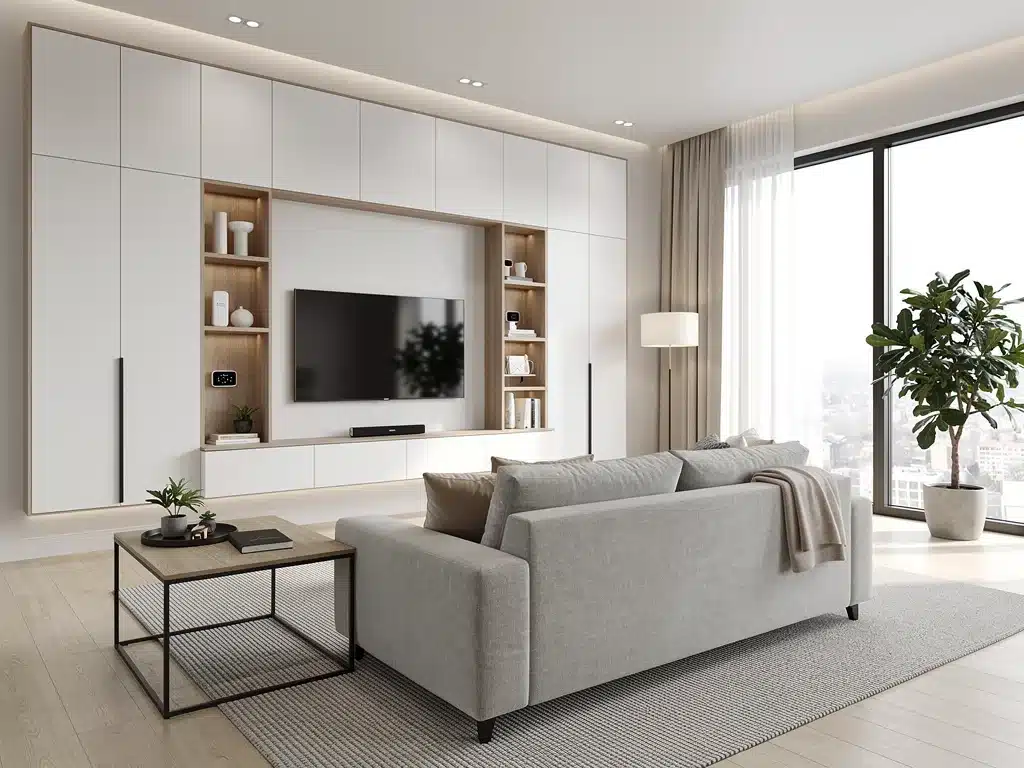
Home organization systems 2026 are increasingly centered on practical storage, flexible layouts, intentional consumption and technology that supports everyday household routines.
Rather than one nationwide “organization revolution,” current U.S. design research points to several overlapping priorities, including better built-in storage, wellness-oriented spaces and more personalized homes.
The six systems below translate those broader trends into practical approaches that can work in apartments, family homes and renovated spaces without promising that every household follows the same formula.
1. Personalized Storage Built Around Daily Routines
One of the clearest organization trends in 2026 is designing storage around how people actually use a room instead of adding generic cabinets wherever space remains.
Kitchen renovation research shows strong interest in specialty built-ins, pantry storage and task-specific zones intended to keep frequently used activities organized.
The basic principle is simple: place storage near the activity it supports so everyday items can be accessed and returned with minimal effort.
Give Frequently Used Items the Easiest Locations
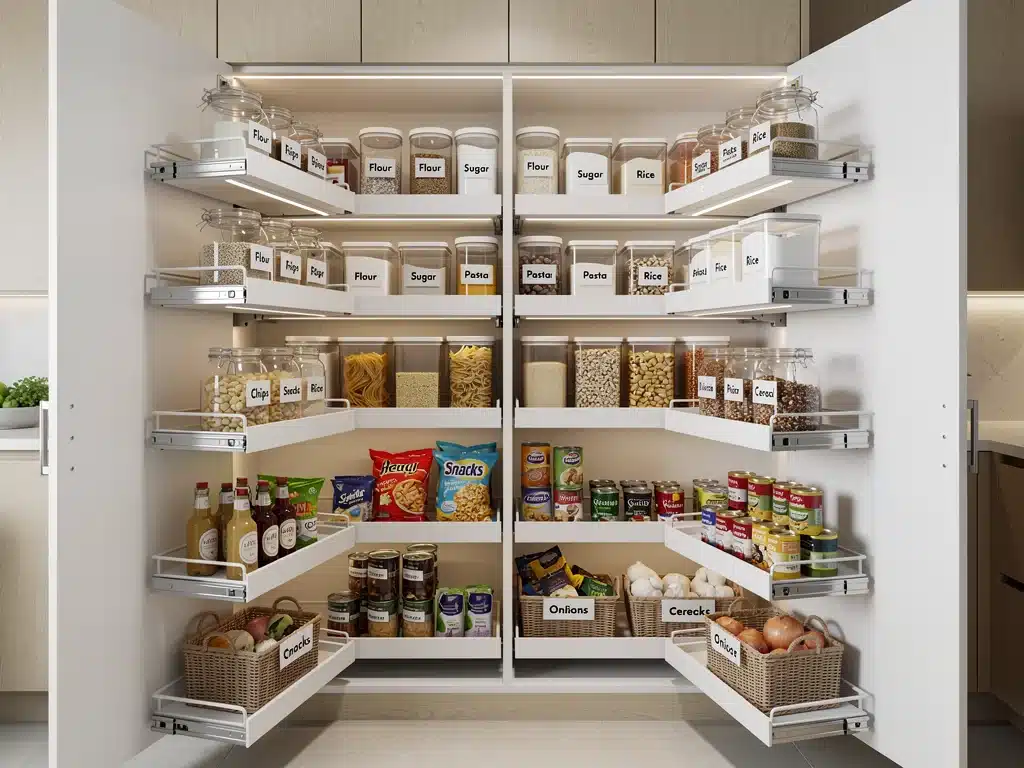
Objects used every day should generally occupy the most accessible drawers, shelves and cabinets rather than being stored according to appearance alone.
Less frequently used cookware, seasonal decorations and backup supplies can move higher, deeper or into secondary storage areas without disrupting normal routines.
This creates a system based on frequency of use, reducing the amount of searching, moving and rearranging required during ordinary household tasks.
Use Built-Ins for Specific Functions
Specialty storage can include pantry cabinets, appliance garages, beverage stations, drawer organizers and other features designed around a clearly defined household activity.
These solutions can be useful when they solve recurring clutter problems, but custom cabinetry is not necessary for every home or budget.
Adjustable shelving, dividers and labeled containers can apply the same principle without requiring a major renovation or permanent installation.
2. Intentional Decluttering Instead of Extreme Minimalism
Modern organization increasingly emphasizes keeping belongings that remain useful or meaningful instead of pursuing empty rooms or a specific number of possessions.
This approach works particularly well for households that want less visual clutter without abandoning collections, hobbies, sentimental objects or the practical realities of family life.
The objective is not owning as little as possible but reducing possessions that consume space without providing enough functional or personal value.
Declutter by Category or Function
Working through categories such as clothing, kitchenware, paperwork and personal-care products can make decision-making more consistent than cleaning random rooms simultaneously.
Each category can be evaluated according to current use, duplicates, condition, available storage and whether the item still supports the household’s routine.
The process can borrow useful ideas from minimalist systems without requiring strict adherence to one branded decluttering philosophy.
Capsule Thinking Can Extend Beyond Clothing
A capsule wardrobe limits clothing to versatile pieces, and the same reasoning can be applied carefully to cookware, linens, tools and household supplies.
Instead of keeping many near-identical items, some households may prefer a smaller group of products that performs multiple everyday functions.
This can reduce storage pressure while making it easier to see what already exists before purchasing additional items.
3. Sustainable Organization Through Reuse and Waste Reduction
Sustainability is becoming more visible in residential design, particularly through interest in reused materials, durable products and lower-waste household choices.
Organization can support that goal when it makes existing possessions easier to find, prevents duplicate purchases and gives reusable items a practical storage location.
Readers exploring the broader subject can also review these sustainable living ideas for additional household strategies.
Organize the Pantry to Reduce Forgotten Food
A useful pantry system makes existing food visible before it expires rather than focusing exclusively on perfectly matching containers.
Grouping similar products, rotating older items forward and labeling containers when packaging has been removed can improve inventory awareness.
For households interested in reducing packaging and waste, these zero-waste living strategies provide related ideas that can complement pantry organization.
Reuse Containers Before Buying New Organizers
Glass jars, boxes, baskets and existing furniture can sometimes solve a storage problem without introducing another new product into the home.
Repurposing works best when the object is durable, easy to clean and genuinely suited to the contents rather than being retained solely to avoid disposal.
This approach aligns with broader sustainable living habits while keeping organization focused on practical use.
4. Smart Home Technology for Household Routines
Smart-home technology can support organization through reminders, shared lists, automations and centralized control, although it does not eliminate the need for practical physical storage.
Voice assistants and connected platforms can be useful for capturing tasks immediately, coordinating family routines and controlling compatible household devices.
Interoperability is also improving as standards such as Matter continue evolving to make supported products from multiple ecosystems easier to connect.
Start With Simple Digital Routines
A shared shopping list, recurring cleaning reminder or family calendar can create more practical value than purchasing complicated automation hardware immediately.
Voice commands can make these systems easier to maintain because tasks can be recorded while someone is cooking, cleaning or moving through the house.
Readers interested in connected-home basics can explore this overview of smart home technology before adding more devices.
Be Skeptical of Fully Automated Inventory Claims
Some appliances and experimental systems can monitor selected contents, but reliable whole-home inventory management remains far from universal in U.S. households.
Sensors may recognize particular products or conditions without understanding every package, expiration date, substitution or consumption decision made by household members.
For most homes, digital lists and intentional storage remain more dependable than expecting an autonomous system to manage every consumable automatically.
5. Modular Storage That Can Change With the Household
Homes change as people move, work remotely, have children, develop hobbies or adjust how individual rooms are used throughout the day.
Modular storage responds to those changes through adjustable shelves, movable containers and furniture that can serve more than one function.
This makes flexibility particularly useful in smaller homes where the same square footage may need to support work, relaxation, dining and occasional guests.
Choose Adjustable Storage Before Fixed Compartments
Shelves with movable heights can accommodate books today, kitchen equipment later or larger storage bins when household requirements change.
Stackable containers and configurable drawer dividers also allow one storage system to remain useful even when the objects inside it are replaced.
Flexibility can extend the useful life of an organizational product and reduce the need to purchase a new system for every lifestyle change.
Use Transformable Furniture Where Space Is Limited
Foldaway desks, nesting tables, storage benches and extendable dining tables can allow one room to support several functions without remaining permanently crowded.
The best multifunctional furniture performs each intended role comfortably rather than sacrificing usability solely to advertise additional features.
Measure movement paths and available clearance before purchasing so the transformation itself does not create another space-management problem.
6. Wellness-Focused Organization
Organization increasingly overlaps with broader home-design interest in comfort, relaxation and spaces that support everyday well-being rather than appearance alone.
Recent U.S. renovation research shows homeowners paying attention to relaxing environments and organized storage, particularly in frequently used personal spaces.
An organized room cannot guarantee better mental health, but reducing avoidable visual and functional friction can make everyday routines feel easier to manage.
Reduce Visual Noise Where You Rest
Bedrooms, bathrooms and relaxation areas can benefit from keeping everyday necessities accessible while moving backups, packaging and infrequently used products out of immediate view.
Closed storage can be especially helpful because it creates a calmer visual field without requiring residents to own very few belongings.
The aim is practical calm rather than an unrealistic expectation that every room must remain perfectly styled at all times.
Use Lighting and Materials to Support the Space
Organization is easier to maintain when shelves, drawers and work surfaces are adequately lit and their contents can be identified without unnecessary searching.
Natural materials and restrained palettes may contribute to a calmer atmosphere, but these are design preferences rather than mandatory organization rules.
The broader movement toward wellness-focused homes is about making rooms support real activities comfortably, not turning every organizational decision into a therapeutic intervention.
Digital Home organization Belongs in the Same Conversation
Household clutter increasingly includes digital information such as documents, photographs, subscriptions, emails, passwords and shared family files.
An orderly physical office can still feel difficult to use when important records are scattered across devices, inboxes and multiple cloud services.
A simple digital structure can therefore complement the physical home organization systems 2026 being used around the house.
Create a Small Number of Reliable Digital Locations
Important records become easier to find when households decide where financial, medical, property and personal documents should consistently be stored.
Folder names should remain understandable months later, and backup arrangements should protect information that would be difficult to replace.
The goal is not creating hundreds of perfectly classified folders but making the retrieval of important information predictable.
Reduce Subscription and Notification Clutter
Unnecessary alerts, newsletters and application notifications can generate digital noise even when physical spaces remain organized.
Periodically reviewing subscriptions and notification permissions can reduce interruptions without requiring complicated productivity software.
This creates a digital environment in which important messages and tasks are easier to distinguish from routine promotional content.
Home organization Should Be Designed for Maintenance
An impressive organizing project can fail within weeks when returning an item to its place requires too many steps or too much decision-making.
Sustainable systems usually make the easiest behavior the desired behavior, such as placing laundry storage near where clothing is removed.
Before buying containers, observe where clutter naturally accumulates because that location often reveals where the current system conflicts with real habits.
Use the One-Step Return Test
Frequently used objects should ideally be returnable with one simple action rather than requiring several boxes, lids or reorganized stacks.
This can mean using an open basket for daily items while reserving closed containers for possessions accessed only occasionally.
A system that looks less perfect but remains orderly for months is usually more successful than a visually flawless system nobody maintains.
Labels Should Reduce Thinking, Not Add Decoration
Labels are useful when multiple household members need to understand where categories belong or when containers hide their contents.
They are less necessary when a transparent drawer already makes the contents obvious or the storage location is naturally intuitive.
Use labels to support decisions rather than adding them automatically to every shelf, jar and basket in the Home organization.
Built-In Storage Is a Notable 2026 Renovation Trend
Current U.S. renovation data provides stronger evidence for storage-focused design than for claims of fully automated or AI-managed households.
Homeowners renovating kitchens are frequently including pantry cabinets, specialty zones and other built-in features designed around specific routines.
This supports the broader idea that Home organization is becoming more integrated into room design instead of being added afterward through freestanding containers alone.
Hidden Storage Can Keep Active Rooms Flexible
Appliance garages, pantry cabinets and closed shelving can reduce countertop clutter while keeping necessary equipment close to where it is used.
In family rooms and multifunctional spaces, storage benches or cabinets can perform a similar role for toys, technology and everyday supplies.
The value lies in reducing friction rather than hiding every visible possession simply to achieve a minimalist appearance.
Sustainability Is Broader Than Buying Bamboo Bins
Products marketed as eco-friendly can still create unnecessary consumption when an existing organizer or piece of furniture already solves the same problem.
Durability, repairability, material source and years of actual use all matter when evaluating the environmental value of a household purchase.
A practical sustainable Home organization strategy therefore begins by reducing duplicate purchases and extending the usefulness of what the household already owns.
Repurposed Materials Are Gaining Design Interest
Current U.S. home-design search data shows increasing interest in repurposed materials and other environmentally conscious building and decorating choices.
That does not mean every homeowner is adopting zero-waste systems, but it supports a broader shift toward considering material impact alongside appearance.
Additional examples of this movement appear in these sustainable living innovations.
Smart Homes Are Becoming More Interoperable
The connected-home ecosystem continues developing around standards intended to reduce fragmentation between devices, brands and major technology platforms.
Matter 1.6, released in 2026, improved setup, multi-ecosystem management and context-aware control for compatible devices rather than introducing an entirely autonomous home.
These improvements can make organization-related routines easier to build, but consumers should still verify compatibility before purchasing equipment.
Automation Works Best for Repetitive Tasks
Lighting schedules, reminders, household lists and routine device control are well suited to automation because they involve predictable recurring actions.
More subjective jobs, such as deciding what food should be purchased or whether an object should be discarded, still require substantial human judgment.
Smart technology is most useful when it removes repetitive friction while leaving important household decisions under the user’s control.
AI Can Assist With Planning Without Running the Home
AI-based design and visualization tools can help users explore layouts, compare storage ideas and generate possible approaches to organizing constrained spaces.
These tools can accelerate brainstorming, but their recommendations still need to account for measurements, accessibility, electrical constraints and real household behavior.
An attractive generated layout should therefore be treated as a starting point rather than proof that the proposed storage solution will work physically.
Measure Before Trusting a Digital Recommendation
Record wall lengths, doorway clearance, furniture dimensions and the sizes of objects that genuinely need storage before committing to a suggested layout.
Pay particular attention to drawers, cabinet doors and walking routes because a design can fit mathematically while remaining inconvenient in daily use.
Real measurements turn AI-assisted planning into a useful design aid instead of a source of visually appealing but impractical arrangements.
How to Choose the Right Home organization System
No household needs to adopt all six approaches because each system solves a different type of organizational problem.
A small apartment may benefit most from modular furniture, while a large family kitchen may gain more from task-specific built-ins and clear pantry categories.
Start with the area that creates the most recurring friction and choose the simplest intervention capable of improving it.
Identify the Problem Before Buying the Product
If shoes accumulate near an entrance, the actual problem may be missing accessible storage rather than an overall need to declutter the house.
If groceries expire, the issue may involve visibility and meal planning rather than the absence of matching pantry containers.
Defining the problem first reduces unnecessary purchases and makes it easier to evaluate whether an organizational system actually succeeded.
Six Home Organization Systems at a Glance
The strongest Home organization ideas in 2026 combine familiar principles with current design priorities instead of replacing household management with one new technology.
Personalized storage, intentional decluttering, reuse, smart routines, flexible furniture and wellness-focused spaces can all contribute to more functional homes.
The best home organization systems 2026 are ultimately the ones residents can understand, maintain and adapt as their needs change.
Practicality Should Come Before Trend Status
A fashionable Home organization provides little value when it is inconvenient, poorly sized or creates more categories than the household wants to maintain.
Conversely, a simple basket, adjustable shelf or recurring digital reminder can solve a problem for years despite receiving little attention in design media.
Evaluate organization by whether everyday life becomes easier rather than by how closely the result resembles a highly styled photograph.
| Organization System | Best Use |
|---|---|
| Personalized Storage | Designing storage around real habits, activities and frequently used items. |
| Intentional Decluttering | Reducing unnecessary possessions without pursuing extreme minimalism. |
| Sustainable Organization | Reusing storage, improving visibility and reducing duplicate purchases or waste. |
| Smart Home Routines | Using reminders, lists and compatible automation for repetitive household tasks. |
| Modular Systems | Adapting storage and furniture as rooms and household needs change. |
| Wellness-Focused Organization | Reducing unnecessary visual and functional friction in frequently used spaces. |
Frequently Asked Questions About Home Organization in 2026
What are the biggest home organization trends in 2026?
Built-in storage, personalized layouts, modular systems, sustainability, connected-home routines and wellness-focused spaces are among the most visible themes.
Are smart pantries that automatically reorder groceries common?
No. Some connected appliances offer inventory-related features, but fully automated household replenishment should not be described as a standard American home feature.
Is customized storage becoming more popular?
Current U.S. renovation research shows significant interest in specialty built-ins, pantry cabinets and task-specific storage, particularly in kitchen projects.
Does decluttering improve mental health?
An orderly environment may reduce everyday friction for some people, but decluttering should not be presented as a medical treatment for anxiety or other mental-health conditions.
Do I need to buy new organizers to become more organized?
No. Rearranging existing storage, reducing duplicates and repurposing containers can solve many organization problems without purchasing additional products.
Is zero-waste pantry Home organization necessary?
No. A practical goal is reducing avoidable food and packaging waste according to the household’s actual shopping, cooking and storage habits.
Can smart-home technology help with organization?
Yes. Shared lists, reminders and automation can support routines, especially as interoperability improves, but technology does not replace effective physical storage.
What is the best organization system for a small apartment?
Modular shelves, multipurpose furniture, vertical storage and carefully edited belongings can help limited square footage support several different activities.
Should every item have a designated place?
Frequently used items benefit from predictable locations, but the system should remain flexible enough to handle temporary objects and changes in routine.
How do I know whether an organization system works?
If belongings are easier to find, use and return consistently several weeks later, the system is probably supporting the household rather than creating extra work.
Conclusion
Home organization systems 2026 are less about one revolutionary method and more about combining storage, flexibility, sustainability and selective technology around real household behavior.
Current U.S. design research supports growing attention to built-in storage, personal spaces, wellness and environmentally conscious choices, while highly automated homes remain less universal than marketing may suggest.
Start with one recurring problem, build the simplest sustainable system around it and adapt that system over time instead of trying to reorganize an entire home around a trend.